First steps: understanding elective procedure coverage rules Understanding elective procedure coverage starts with knowing that carriers draw a hard line between procedures that are medically necessary and those considered purely...
First, understand why medical costs get denied Before you can get a handle on your medical costs, you need to understand that most denials start with a single gatekeeper: your...
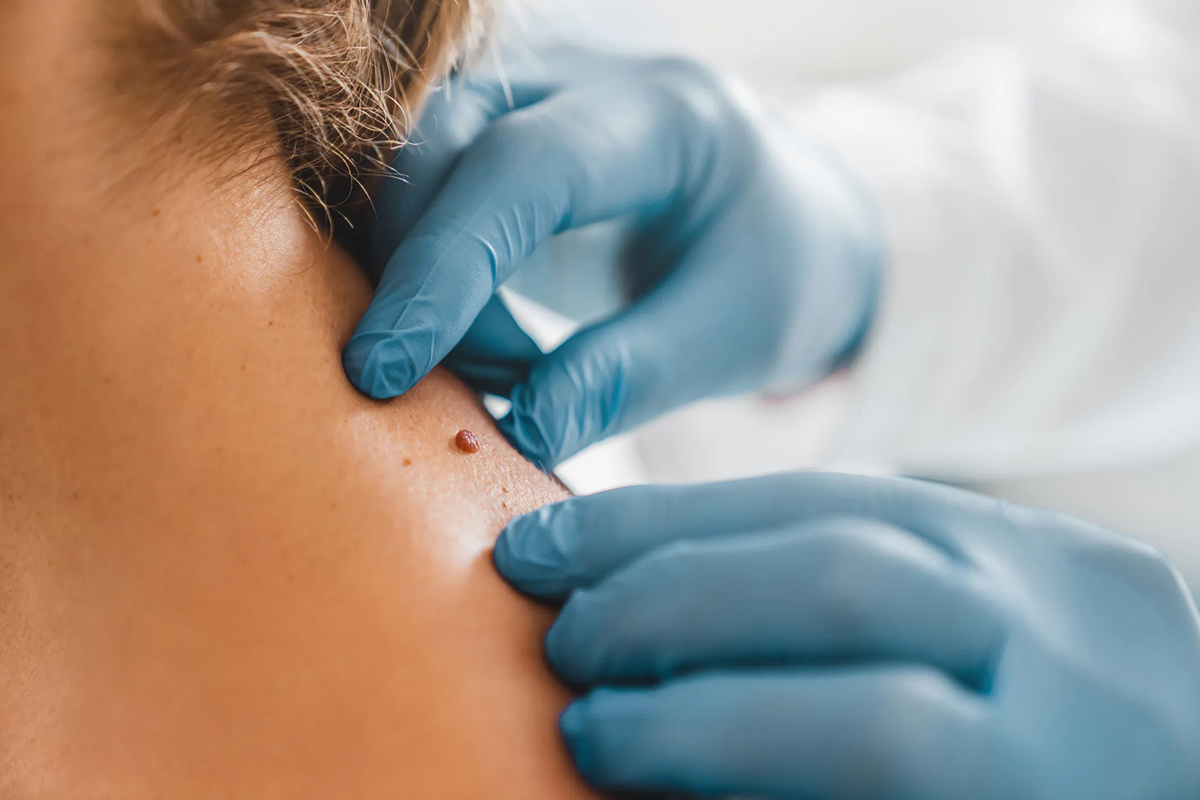
Dermatology services covered by insurance are limited to care that is medically necessary to diagnose or treat a skin condition; routine or cosmetic care is generally not covered. This means...
To get insurance to pay for massage therapy, you must prove it is medically necessary, not for wellness or relaxation, and follow your plan’s specific rules for coverage. The core...
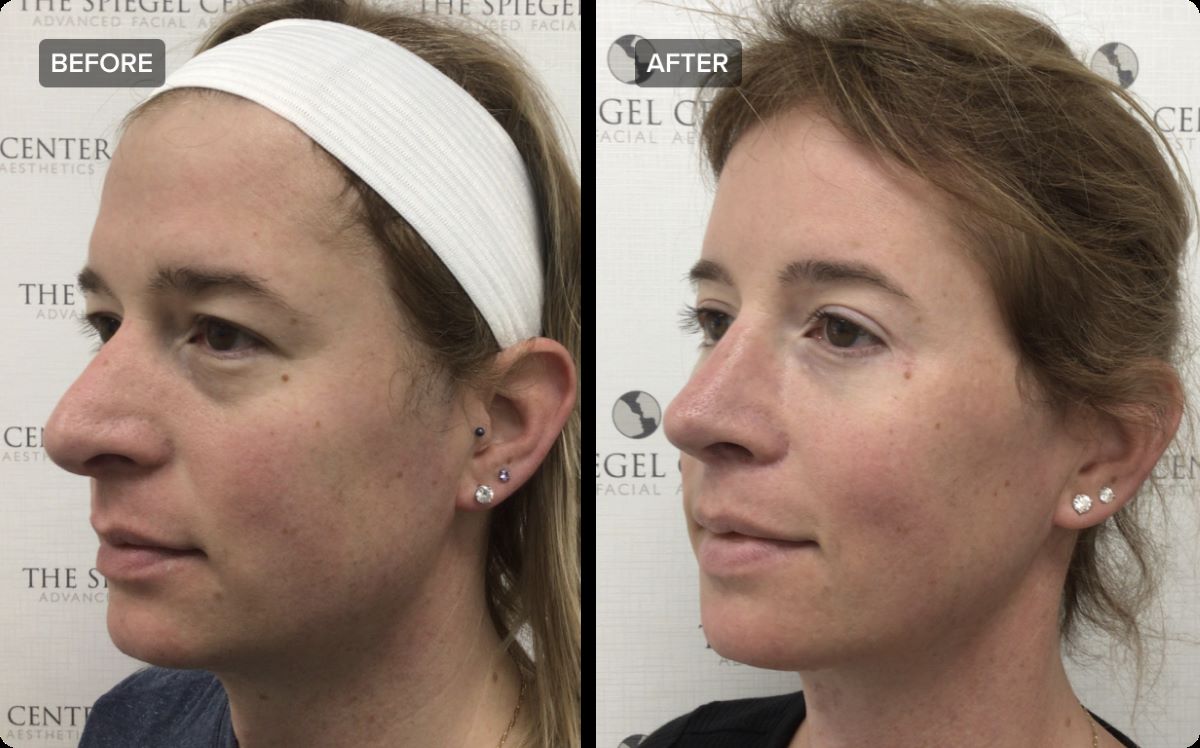
What Insurance Covers Facial Feminization Surgery Facial feminization surgery coverage is not universal, it depends entirely on your specific insurance plan, with some insurers covering it as medically necessary care...
To qualify for a breast reduction through insurance, you must prove the surgery is medically necessary to relieve documented physical symptoms, not for cosmetic reasons, by meeting your specific plan’s...
To get TRT covered by insurance, you must prove medical necessity to your specific insurer, not just show you have symptoms of low testosterone. Coverage turns on a documented medical...
Your out-of-pocket ect cost with insurance depends on your specific plan, the treatment setting, and whether you meet medical-necessity criteria. For most insured patients, the final bill is shaped by...
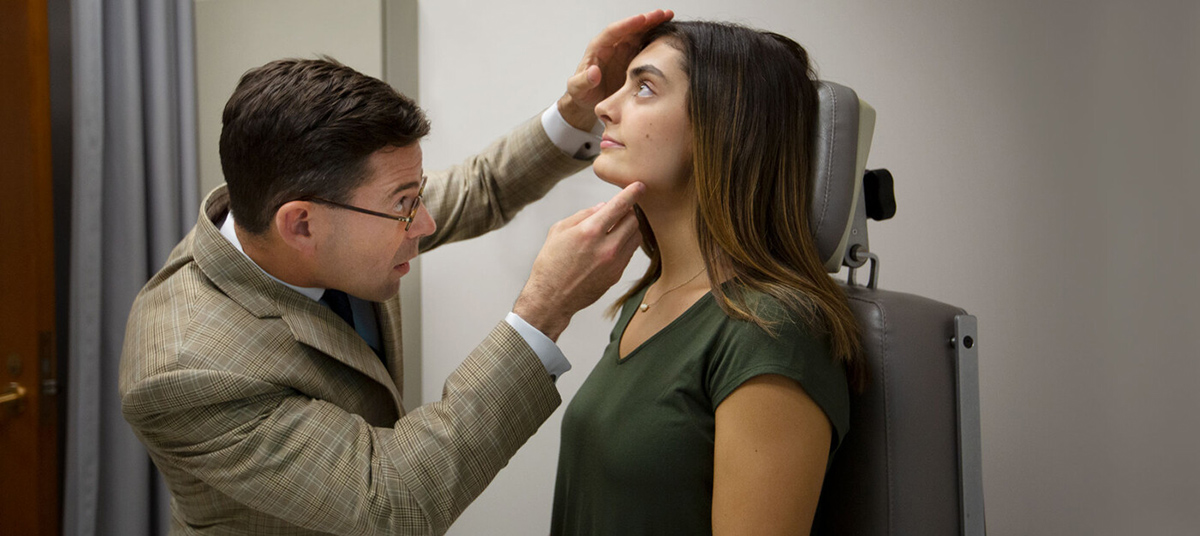
Eyelid surgery covered by insurance depends entirely on whether the procedure is documented as medically necessary, not on whether it improves appearance. Both Medicare and commercial insurers follow this same...
To get insurance to pay for rhinoplasty, you must prove the surgery is medically necessary, not cosmetic, by documenting a functional impairment like nasal airway obstruction. Coverage hinges on showing...
A peer-to-peer review for insurance is a clinician-to-clinician phone discussion between the treating doctor and the insurer's physician reviewer or medical director about a denied or questioned service's medical necessity....
To get insurance to pay for skin removal, you must prove the surgery is medically necessary, not cosmetic, by documenting that excess skin causes functional impairment or recurrent infections that...