An HO5 insurance policy is the broadest standard homeowners policy form available in the private market, providing open-perils coverage for both your dwelling and personal property. This means your home...
The core difference between homeowners insurance and renters insurance comes down to ownership: homeowners insurance vs renters insurance is defined by whether you own the dwelling or lease it. Homeowners...
Less depreciation on an insurance claim means the insurer does not subtract part of the item’s value for age, wear, or usage when settling the claim, so the payout is...
If your house burned down and you have no insurance, your immediate reality is that you must cover the costs of temporary housing, cleanup, rebuilding, and replacing your belongings out...
When the adjuster arrives, your goal is to be factual, organized, and cooperative, not to negotiate on the spot. The single most powerful thing you can say to a homeowners...
On an insurance claim, you might wonder "what does RCV mean", it stands for Replacement Cost Value, which is the amount needed to replace damaged property with a new item...
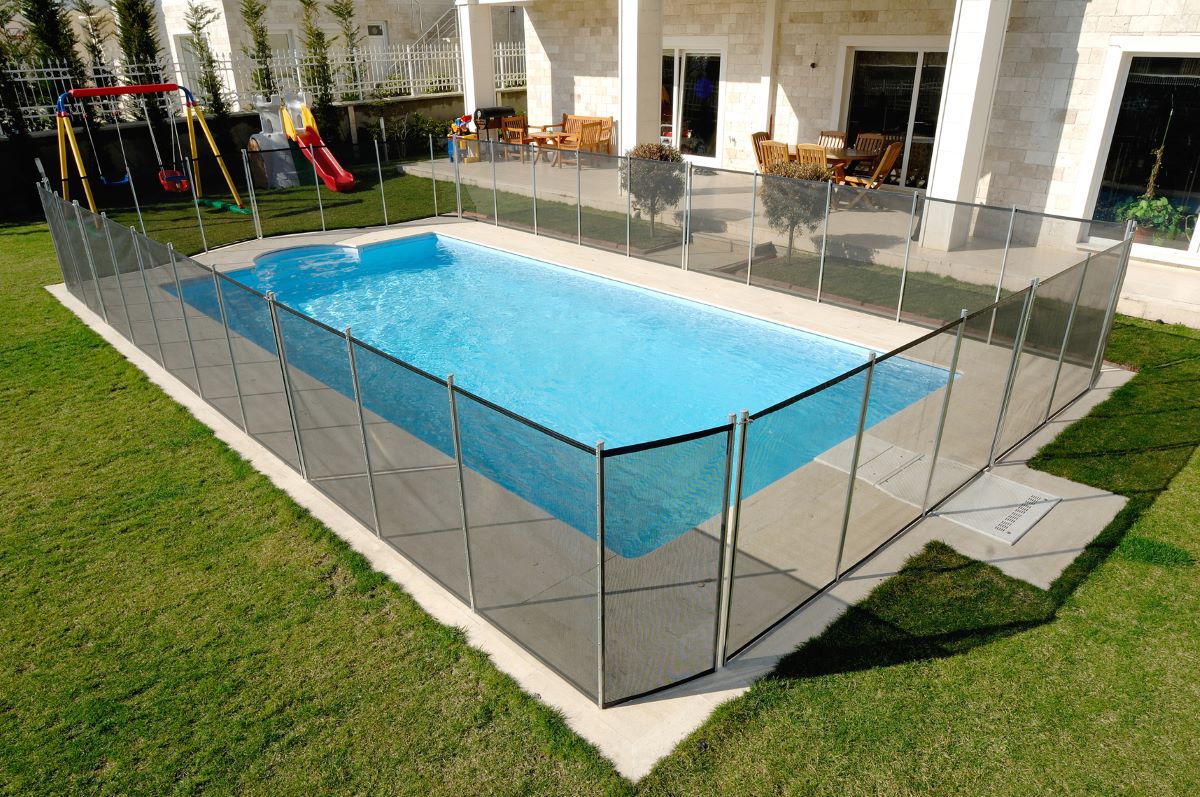
Pool insurance cost is not a separate line item but an increase to your homeowners policy premium, typically raising it by 10% to 30% because a pool adds liability risk....
Adding a pool typically raises your homeowners insurance cost with a pool because it increases both your property replacement needs and your liability exposure for guest injuries. Insurers commonly place...
After the insurance adjuster comes out, the immediate next step is that the adjuster returns to their office to review their findings and begin calculating your claim's value, while you...
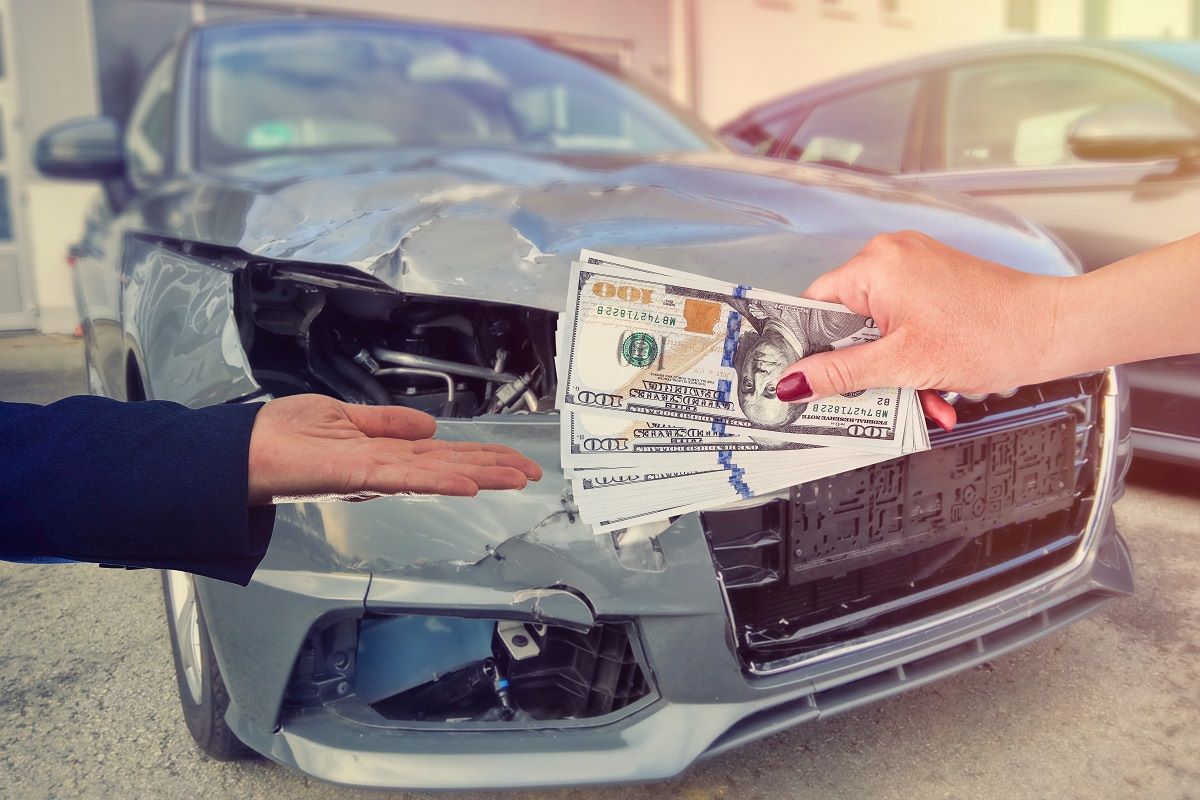
What Happens If You Don't Use Insurance Money For Repairs: The Short Answer If you don't use insurance money for repairs, you can usually keep the payout when you own...
What Does RCV Mean In Insurance? RCV stands for Replacement Cost Value, and it means the amount needed to repair or replace damaged property at current prices without deducting for...
AOP in insurance stands for "All Other Perils," and it refers to the standard deductible applied to common covered property losses like fire, theft, or vandalism. It is not a...