An infinite banking policy is not a specific insurance product, but a strategy that uses a specially designed, dividend-paying whole life insurance policy as a personal banking system. Instead of...
To create a banking system, you must build a multi-layered application that handles financial transactions with absolute data integrity, enforces strict security, and complies with financial regulations. This practical guide...
Positive pay in banking is a check-fraud control where your bank compares key check details you submit against the check presented for payment, flagging mismatches for your review before any...
CCD in banking stands for Corporate Credit or Debit, an ACH entry class code used for business-to-business and intra-company electronic transfers. It is not a consumer mobile feature, but rather...
PPD in banking means Prearranged Payment and Deposit Entry, which is a specific ACH (Automated Clearing House) SEC code used for consumer accounts. It represents a credit or debit transaction...
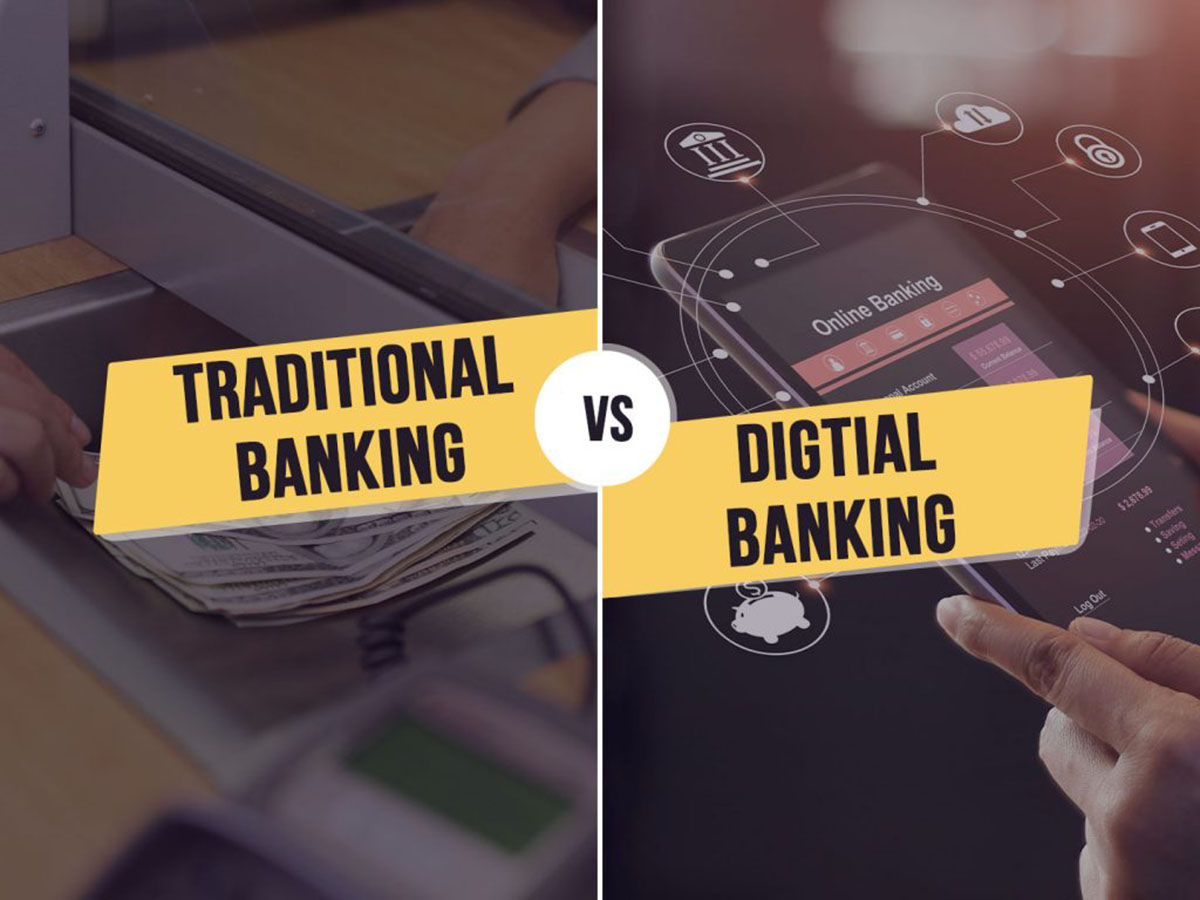
The real differences between electronic banking vs traditional methods come down to how you store and authorize your money. Electronic banking uses saved payment cards on your device and phone...
What does RTP mean in banking? It stands for Real-Time Payments, an instant payment system that moves and settles funds within seconds, 24/7/365. Unlike ACH transfers that can take days...
Chase Secure Banking is a low-cost, no-overdraft-fee checking account certified by Bank On since 2019, designed for simple, secure digital banking. It requires no minimum opening deposit and provides access...
NMLS stands for the Nationwide Multistate Licensing System and Registry, the official, centralized system used by state regulators to manage licensing for mortgage and other non-depository financial services businesses. It...
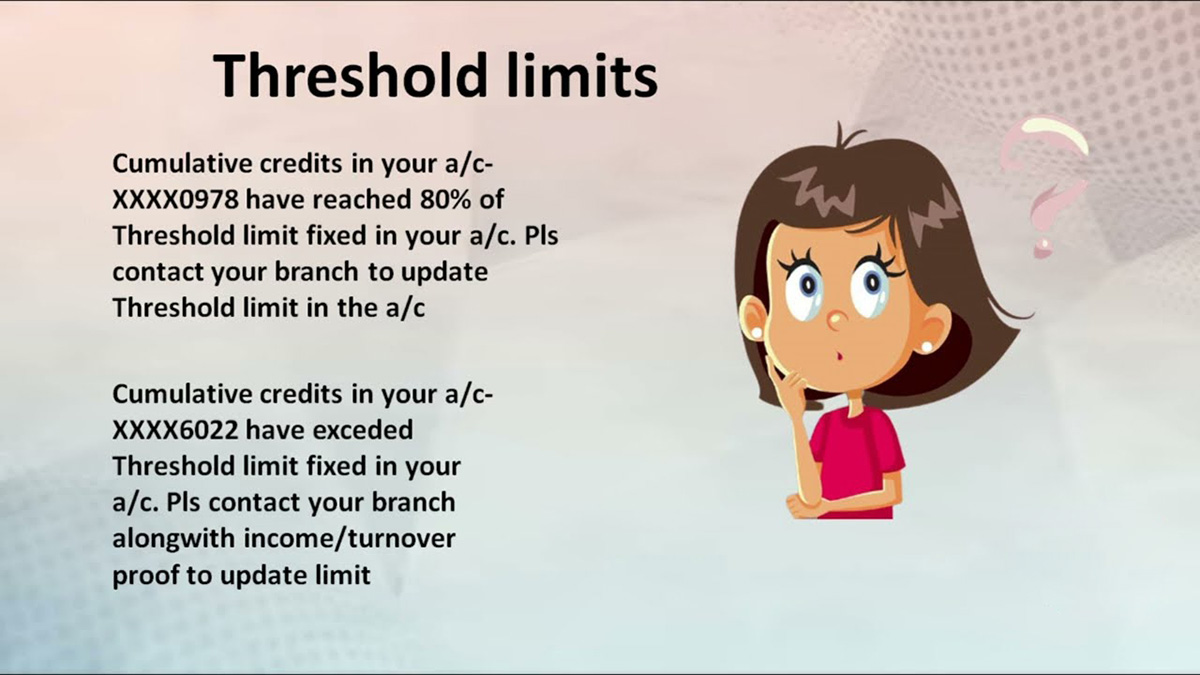
In banking, a threshold is a preset amount or condition that triggers a specific action, most commonly a transaction alert or a balance notification in your mobile banking app. These...
Lockbox in banking is a bank-managed receivables service where your customers send payments to a designated post office box, and the bank retrieves, opens, sorts, scans, deposits, and reports those...