A pending transaction in banking is a charge or deposit that has been authorized but hasn't yet been fully processed and posted to your account. This means the money is...
In banking, ODP usually means Overdraft Protection or Overdraft Privilege, depending on the bank and country. The exact meaning, eligibility rules, transfer method, and limits vary by institution, so the...
An electronic fund transfer (EFT) is a transfer of funds initiated through an electronic terminal, telephone, computer, or magnetic tape to debit or credit a consumer’s account. In the U.S.,...
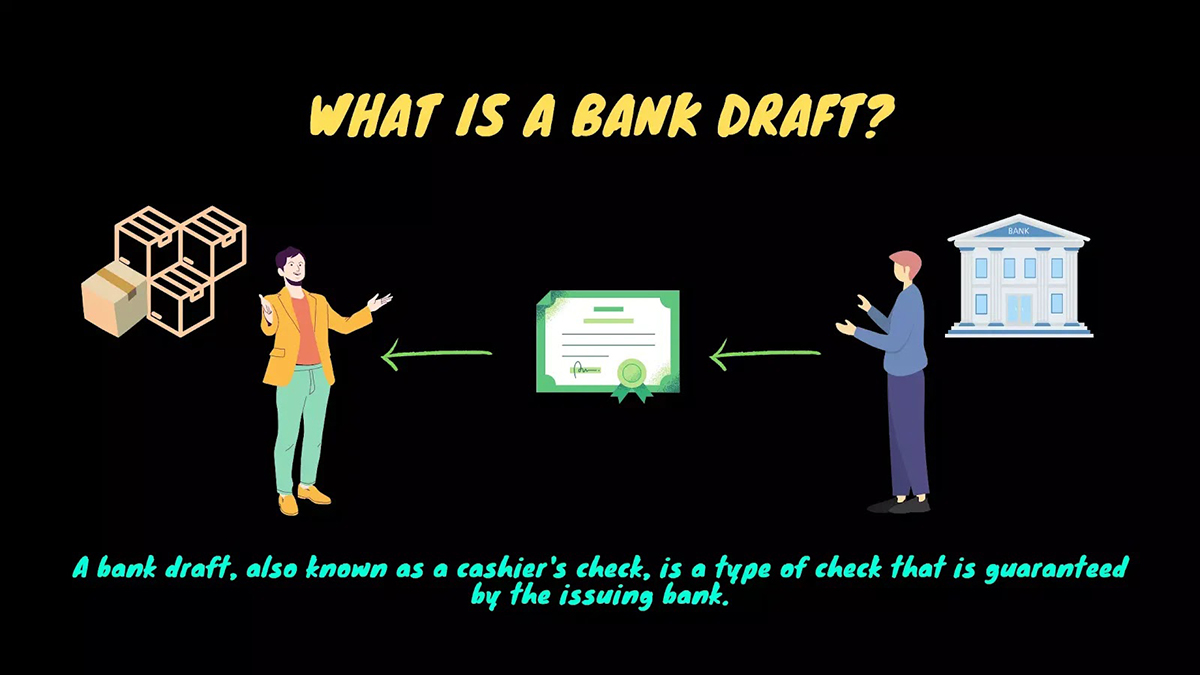
A bank draft in banking is a payment instrument issued and guaranteed by a financial institution, not by the customer, ensuring the recipient receives funds from the bank's own reserves....
FBO in banking means "for benefit of owner," a label used when an account or payment is held in one party's name but the funds are intended for the benefit...
What Is A Standing Order In Banking A standing order in banking is a customer-controlled instruction to send a fixed amount of money from one account to another at regular...
Conditional reversal in banking is a bank-side correction or refund that happens only if the transaction meets the bank's rules for reversal. The clearest documented example is the Reserve Bank...
LTF in banking stands for Long-Term Finance or Long-Term Financing, referring to funding with a longer repayment or maturity period than ordinary short-term credit. The exact threshold varies by source,...
ATF in banking stands for "As Trustee For." It is a trust account designation that appears on bank statements and account titles to indicate that one person holds the account...
Banking and finance are two sides of the same coin, but they are not the same thing. The simplest way to understand the difference is that banking is an institution-based...
To change banking information with Social Security, sign into your personal my Social Security account and update your direct deposit details in the My Profile tab. This is the fastest...