What Is Imputed Income For Life Insurance? Imputed income for life insurance is the taxable value of employer-provided group-term life insurance coverage exceeding the $50,000 IRS exclusion, treated as compensation...
A corridor in a universal life insurance policy is the minimum required gap between the policy’s death benefit and its cash value, ensuring the contract keeps its life-insurance tax status...
Portable life insurance is a group life insurance option that lets an eligible employee continue term coverage after employment ends by paying premiums directly, instead of losing the policy immediately....
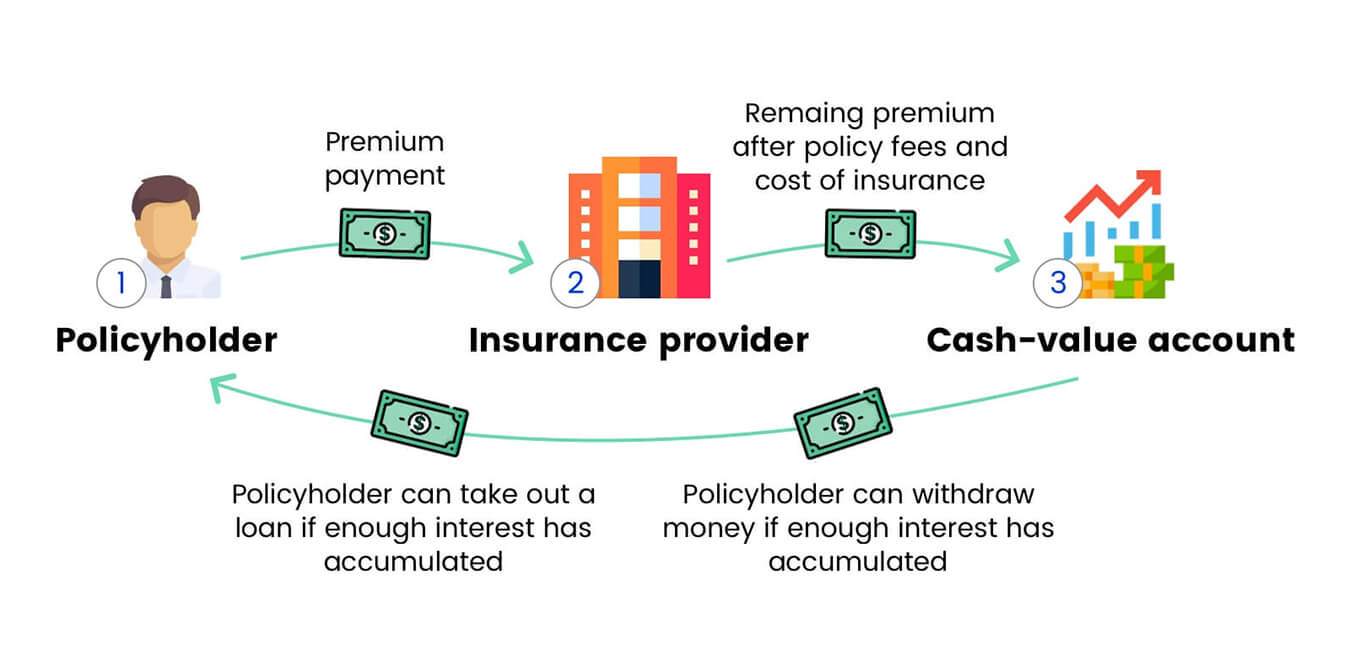
Using life insurance as a bank means borrowing against or withdrawing the cash value that builds inside a permanent life insurance policy, not a term policy. This strategy gives you...
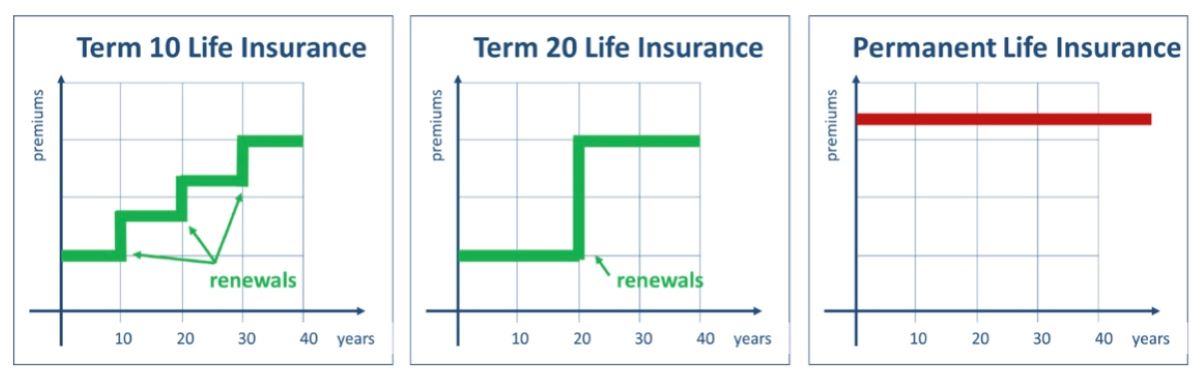
Whole life vs universal life insurance comes down to a central trade-off: whole life offers fixed premiums and a fixed death benefit, while universal life provides flexible premiums and a...
Indexed universal life insurance is a type of permanent life insurance that includes a death benefit and a cash value account whose growth is tied to a market index, usually...
A life insurance dividend is a non-guaranteed payment that a participating permanent life insurance policyholder may receive from the insurer's surplus or divisible profits. Unlike a stock dividend, this payment...
The collateral on a life insurance policy loan is the policy’s cash surrender value or a collateral assignment of the policy including its death benefit. According to the National Association...
The accumulated value of life insurance is the total built-up value inside a permanent policy, including credited interest or gains, but it is typically reduced by surrender charges, policy fees,...
A conversion period in life insurance is the limited, contract-defined window when you can exchange an eligible term life policy for a permanent one without proving insurability or taking a...
The alternative name for interest-sensitive whole life insurance is current assumption whole life insurance. This is the most common term used in the insurance industry to describe a permanent life...
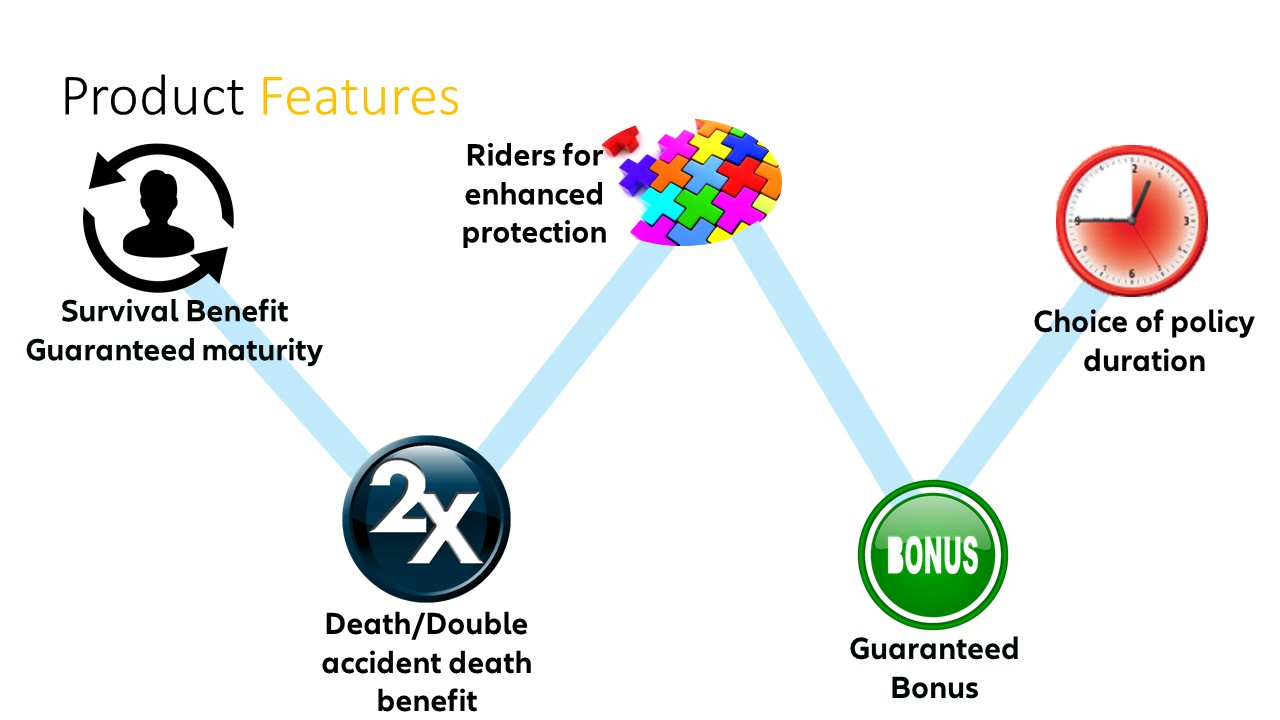
An endowment life insurance policy is a life insurance contract that combines death benefit protection with a savings or maturity payout: if the insured dies during the policy term, the...