What Is Coinsurance In Property Insurance? Coinsurance in property insurance is a clause that requires you to carry a minimum amount of coverage, usually a percentage of the property’s value...
If you need to find out who my homeowners insurance is with, the fastest and most reliable method is to check your mortgage servicer’s online portal or recent statement. Because...
Corporate insurance is an umbrella term for the multiple insurance coverages a business buys to protect itself from financial losses tied to operational risks, liability claims, property damage, employee-related incidents,...
An HO5 insurance policy is the broadest standard homeowners policy form available in the private market, providing open-perils coverage for both your dwelling and personal property. This means your home...
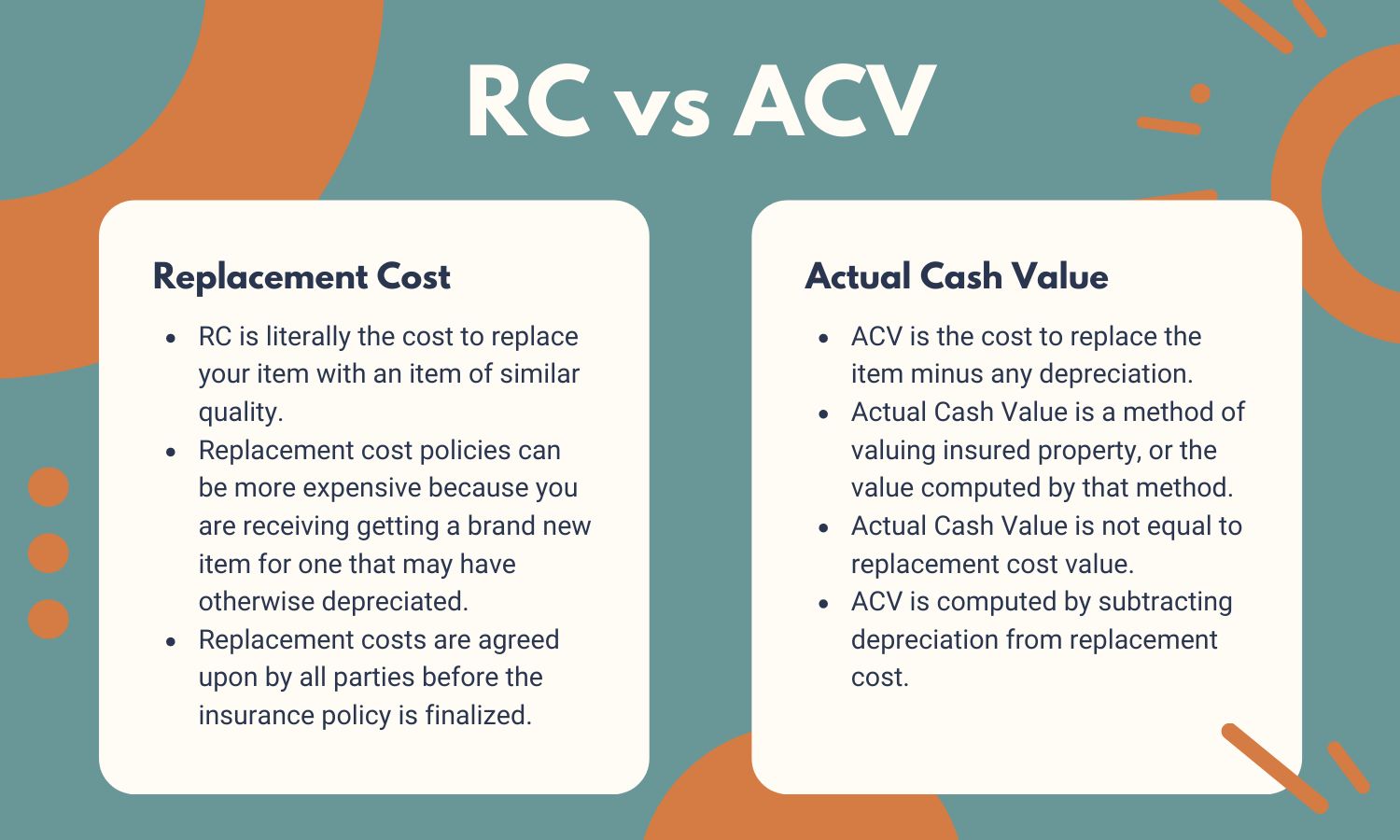
RCV on an insurance estimate means Replacement Cost Value: the estimated cost to repair damaged property or replace it with a similar one at current prices, with no deduction for...
A master insurance policy is a single insurance contract that provides coverage for multiple individuals, properties, or entities under one centralized policy. This structure allows an umbrella entity, such as...
When the adjuster arrives, your goal is to be factual, organized, and cooperative, not to negotiate on the spot. The single most powerful thing you can say to a homeowners...
Vacant land insurance is sold by specialty insurers, surplus lines carriers, and independent agencies that place liability coverage for undeveloped land. The verified sellers include NREIG, USLI, Veracity Insurance, the...
BPP in insurance means business personal property: the movable physical property a business owns or uses, such as furniture, equipment, inventory, machinery, and supplies, rather than the building itself. This...
What Happens If You Don't Use Insurance Money For Repairs: The Short Answer If you don't use insurance money for repairs, you can usually keep the payout when you own...
AOP in insurance stands for "All Other Perils," and it refers to the standard deductible applied to common covered property losses like fire, theft, or vandalism. It is not a...
Only three specific types of property are exempt from flood insurance requirements under the federal mandate: state-owned property with FEMA-acceptable self-insurance, loans with an original principal of $5,000 or less...