Insurance
Concepts & Policy Details
Table of Contents
- Health insurance basics: key terms and plan types
- Understanding provider networks and access
- Your out-of-pocket costs: deductibles, moop, and oop
- Who pays the premiums: payroll, stipends, and tax forms
- Premiums and coverage during leave or injury
- Using an hsa to pay premiums
- Special plan types: zero-premium, pivot, and gap coverage
- Life events: adding a spouse and going without coverage
- The people behind the policy: subscribers, beneficiaries, and guarantors
- The business side: administrators, tpas, and subrogation
- Medicare: billing, underwriting, and savings programs
- Medicare wages and employer tax forms
- Medicaid asset limits
- Getting licensed and working in insurance
- Employer spotlight: what big companies offer
- Unusual situations: celebrities, the wealthy, and international plans
- Practical scenarios: interviews, statements, and probationary periods
- More guides
Health insurance basics: key terms and plan types
Before you compare any plan, it helps to know the health insurance basics, starting with the fact that most people get their protection through commercial health insurance, which simply means private policies sold by companies rather than government programs. When you see the term ppo mean in health insurance, it refers to a Preferred Provider Organization where you pay less for staying in-network but can still see out-of-network doctors for an additional cost. Understanding the difference between hmo and pos health insurance often comes down to referrals, because an HMO typically requires you to choose a primary care doctor and get a referral before seeing a specialist, while a POS plan also asks for that referral but gives you the option to go outside the network at a higher share of the cost. You may also encounter plans where open access mean in health insurance that you can schedule directly with a specialist without first obtaining a referral, a feature found in some HMO and POS products rather than a separate plan type. For groups like traveling sports teams or seasonal camp staff, blanket health insurance provides protection for a roster of individuals who share a common activity, though its rules are defined by state law and it works differently from standard major medical plans.
Understanding provider networks and access
Before you get care, it helps to understand how insurers use tiers in health insurance to set what you pay. A plan might list a primary doctor at a lower cost-sharing level and a specialist at a higher one, so checking the tier before you book can prevent a bill that is far larger than expected. The distinction between tier 1 and tier 2 in health insurance can affect your costs, but the exact definitions are not provided in the available sources. When you look up a doctor, you may notice they belong to an ipa in health insurance, an Independent Practice Association that contracts with your plan while the physicians keep their own separate offices. If you need care during a deductible phase, some people look into options described as gap coverage for health insurance, though the available sources do not detail how it works. If a specialist you already trust is not in your network, call the office directly and ask whether the practice still accepts allied health insurance, since network participation can change between renewal periods without clear notice.
Your out-of-pocket costs: deductibles, moop, and oop
Once you have met your deductible for the year, you are not done paying; your costs simply shift to coinsurance or copays until you reach the limit defined by what does moop mean in health insurance, which is the absolute ceiling on your annual spending for covered services. After hitting that maximum, the plan must cover 100% of eligible care, though you still have to pay your premiums separately. It is easy to confuse this with what does oop mean in health insurance, because out-of-pocket spending includes every deductible dollar, copay, and coinsurance amount you pay, but it does not include your monthly premium.
Family plans add another layer of complexity depending on how the cost-sharing is structured. If you are covering dependents, you need to know what is an embedded deductible in health insurance: each person has their own lower limit, and once any single member satisfies that individual threshold, the plan begins paying for their post-deductible benefits even if the overall family amount remains unmet. This differs sharply from what is aggregate deductible in health insurance, where the entire family’s medical spending is pooled into one large sum. To understand what does aggregate mean in health insurance in practice, you simply look at whether a single person can trigger benefits on their own or whether everyone’s claims must combine to cross a single high bar first.
Before you reach any of those thresholds, your carrier negotiates a reduced rate with providers, which determines what is the plan discount in health insurance. This adjustment appears on your explanation of benefits and lowers the sticker price to the allowed amount, which is the figure actually used to calculate how much you owe toward your deductible. Since these network discounts vanish if you go out-of-network, staying in-network keeps your progress toward the MOOP cap on track.
Who pays the premiums: payroll, stipends, and tax forms
How premiums flow through your paycheck depends on whether your organization sponsors a group plan or gives you money to shop on your own. When the company pays a portion of your protection, you need to record employer-paid health insurance in quickbooks online as a company contribution item routed through a payroll liability account. Set it up through Lists > Payroll Item List > Payroll Item > New > Custom Setup > Company Contribution, then choose the Liability account, create or select an Expense account, set tax tracking type to Health Coverage Cost, and finish the item setup; it should not appear as a line on the employee's paystub. Setting it up correctly under the Health Coverage Cost tax tracking type ensures the amount appears in Box 12 of your W-2 with the code DD, which reports the total cost of employer-sponsored protection without making it taxable income to you. To report it, go through All apps > Payroll > Payroll taxes > Filings > Resources > W-2s and then Edit Box 12/13 on employee W-2s.
Some workplaces skip the group plan entirely and offer a health insurance stipend instead, a fixed, taxable sum added to your paycheck that you can use toward any plan you buy on your own, whether through the Marketplace or a private carrier. Since the money is considered regular wages, you will see income tax and FICA withheld, and you cannot roll any unused portion into a health savings account. When you are comparing your own options on the open market, which factor influences health insurance premiums often narrows to the plan's actuarial value and the size of the risk pool, though your age, tobacco use, and location also shift the base rate before any subsidy is applied.
Adding a partner to your plan raises a practical question: is health insurance cheaper when married? The answer usually depends on whether one organization subsidizes spousal premiums generously or imposes a surcharge, which often kicks in when a working spouse has access to their own plan. Many companies add a flat monthly fee if your spouse declines their own workplace’s offering, which can make a family policy more expensive than maintaining two separate individual plans. Before you consolidate protection, compare each organization's contribution formula and check for any spousal carve-out language in the summary of benefits.
Cost-sharing design determines how much risk you carry before the plan pays. The IRS announces the exact figure each year in Revenue Procedure 2024-25, and the Marketplace displays the current cap during open enrollment. Many plans also layer on copayments for office visits and prescriptions, though these fixed fees do not always count toward your deductible. Coinsurance, by contrast, splits the bill after you meet the deductible, and a common structure is an 80/20 split where the carrier pays the larger share; stop-loss provisions cap your exposure once your share hits a preset ceiling.
Premium tax credits lower the monthly bill for Marketplace enrollees, and the size of the credit is tied to the cost of the second-lowest-cost silver plan in your area. The Department of Health and Human Services publishes the federal poverty guidelines that anchor eligibility, and your household income relative to that benchmark determines the percentage of income you must contribute. The American Rescue Plan and Inflation Reduction Act extended enhanced subsidies through 2025, capping contributions for people at all income levels, but without congressional action those caps will sunset after December 31, 2025. The Centers for Medicare and Medicaid Services updates the benchmark premium table each fall, and you can find the current sliding scale on Healthcare.gov.
Employer contribution rules follow a different logic. The Affordable Care Act requires applicable large employers to offer affordable, minimum-value protection to full-time workers, and the IRS sets the affordability threshold each year as a percentage of household income, for 2025, the rate is 9.02 percent, published in a revenue procedure. A plan is affordable if the employee’s share of the self-only rate falls below that percentage, and the minimum-value standard means the plan must pay at least 60 percent of total allowed costs. Failure to meet either test can trigger employer shared-responsibility penalties, which the IRS assesses under Section 4980H of the Internal Revenue Code.
Small-group and individual market pricing follows community rating rules: carriers cannot charge higher rates based on health status, but they can vary the base rate by age within a 3-to-1 band enforced by the Centers for Medicare and Medicaid Services. Tobacco use can add a surcharge of up to 50 percent, though some states cap that surcharge lower or prohibit it outright. Geographic rating areas also affect the base premium, and your ZIP code can shift the cost as much as age does. The carrier files its rate manual with the state insurance department, and you can request that filing to see the exact geographic factors.
Tax-advantaged accounts change the effective price of care. Contributions to the account are pre-tax, grow tax-free, and come out tax-free for qualified medical expenses.
Health reimbursement arrangements let an organization reimburse workers for medical expenses. An individual coverage HRA allows an employer of any size to fund a defined contribution, where the employee buys a Marketplace plan and submits claims for reimbursement under the final rule jointly issued by the Departments of Labor, Treasury, and Health and Human Services. The employer sets a monthly allowance, and unused funds can roll over from year to year.
COBRA continuation rights let you keep your group plan after leaving a job. The plan administrator must send an election notice within 44 days of a qualifying event, and you have 60 days to elect continuation at the full cost of the plan plus a 2 percent administrative fee. The American Rescue Plan temporarily subsidized COBRA premiums during the pandemic, but that subsidy has expired. The Department of Labor enforces COBRA notice and election timelines, while state mini-COBRA laws extend continuation rights to smaller groups, and the length of continuation varies by the qualifying event.
Premiums and coverage during leave or injury
Keeping your health benefits active during a leave of absence depends on which type of leave you are on and where you live. Under federal law, the employee generally pays health insurance premiums while on fmla, continuing the same portion of the cost they paid when working, while the organization must maintain its usual contribution. If your leave is unpaid, your workplace can require you to make those payments by a specific method and must give you advance written notice of the terms.
There is no single federal rule that dictates who pays health insurance while on workers compensation, as the responsibility often hinges on your company’s internal policy and any overlapping FMLA eligibility. The question of who pays for my health insurance while on workers comp in california does not have a special state mandate shifting premium responsibility away from the federal FMLA framework, so if your injury leave also qualifies as FMLA leave, you continue to owe your normal employee contribution to keep the plan in place.
Regardless of the leave type, your protection can be dropped if your required payment is more than 30 days late, and the plan sponsor must mail a written notice at least 15 days before terminating the policy. When you return from FMLA leave, your health benefits must be restored as if you had never missed a payment.
Using an hsa to pay premiums
Because tax-advantaged HSA dollars are meant for medical care, not insurance overhead, the IRS draws a tight circle around what insurance premiums can be paid with HSA funds. You can use your balance for COBRA continuation coverage or for health coverage while you are receiving state or federal unemployment compensation. Qualified long-term care protection is eligible as well, though the tax-free amount you can apply toward the cost is limited based on your age. Once you turn 65, the rules broaden to let you pay Medicare premiums, including Part B and Part D, directly from the account, but Medigap supplemental policies are not included. Ordinary health plan premiums for a current organization’s group arrangement or a Marketplace policy generally cannot be paid from an HSA, so do not tap those funds to cover your monthly bill while you are still working.
Special plan types: zero-premium, pivot, and gap coverage
Some people enrolled through the Marketplace find that they qualify for a zero-premium health insurance plan, meaning their monthly bill drops after the advance premium tax credit is applied. These plans still exist in 2026, though fewer are available than in prior years because the federal subsidy enhancements that made them widespread expired at the end of 2025.
If you are between jobs or missed open enrollment, you might encounter pivot health insurance as an alternative to a traditional major medical plan. Pivot Health is a licensed agency offering short-term and supplemental policies that sit outside the Affordable Care Act’s guaranteed-issue rules, so underwriting and pre-existing condition exclusions often apply. These products can bridge a temporary gap but do not satisfy the individual mandate in states that still enforce one.
When your primary plan carries a high deductible, you may look at gap coverage for health insurance to soften the blow of a large hospital bill. This type of supplementary policy cannot be sold as a stand-alone product and must pair with a comprehensive plan, typically a high-deductible health plan. Gap protection pays a fixed benefit toward your deductible, copayments, or coinsurance for certain services, but it often comes with its own benefit caps and a separate list of eligible expenses. Review both sets of cost-sharing rules before you assume a claim will be fully paid.
Understanding how a plan is built starts with the metal tiers. Bronze plans carry the lowest monthly cost the carrier charges, Silver plans sit in the middle, Gold plans skew toward higher monthly cost the carrier charges and lower point-of-care spending, and Platinum plans offer the richest benefit design. Catastrophic policies are available only to people under 30 or those who qualify for a hardship exemption. Each metal level corresponds to an actuarial value band set annually by the Centers for Medicare and Medicaid Services, and the exact dollar limits change every year, so consult HealthCare.gov for the current schedule.
Cost-sharing reduction subsidies are available only with Silver-tier plans and shrink your deductible, copays, and maximum out-of-pocket exposure. The federal government funds them, and eligibility depends on household income relative to the federal poverty level. If your income falls between 100% and 250% of that benchmark, a Silver plan with cost-sharing reductions can dramatically change the math of when and how much you pay for care. The income bands are published each autumn by the Department of Health and Human Services.
Deductibles reset annually. A plan’s deductible is the amount you spend on covered services before the carrier begins paying its share, though some plans exempt primary care visits or generic drugs from the deductible while others apply it to everything except preventive care. The maximum out-of-pocket limit caps your total annual spending on in-network, covered benefits, and once you hit that ceiling, the plan pays 100% of allowed charges for the rest of the year. The federal government sets a ceiling on this out-of-pocket maximum each year, and the current figure is published in the annual Notice of Benefit and Payment Parameters.
Provider networks determine where your benefits actually work. Health maintenance organizations typically require a primary care physician referral and offer no out-of-network protection except for emergencies. Preferred provider organizations give more flexibility and often include out-of-network benefits, though at a higher cost to you. Exclusive provider organizations blend elements of both but cover only in-network care, while point-of-service plans add a gatekeeper requirement with some out-of-network allowance. Narrow networks trade a broader choice of doctors and hospitals for a lower monthly bill from the carrier.
Prescription drug formularies can make two plans with identical metal levels behave very differently. Generic drugs sit in the lowest tier, preferred brands occupy the middle, and non-preferred brands and specialty medications land in the highest tiers, where your share of the cost can be substantial. Some plans apply the drug deductible before any copay structure kicks in, so check the formulary for your specific medications every year because carriers revise these lists annually.
Short-term limited-duration policies have expanded in many states. These products can deny applicants based on health history and often exclude maternity care, mental health treatment, and prescription drugs. Federal rules issued by the Departments of Treasury, Labor, and Health and Human Services govern the maximum duration, and state regulators can impose tighter limits, so verify your state’s position through the insurance commissioner’s office.
Fixed indemnity arrangements pay a set dollar amount per service regardless of what the provider charges. A hospital stay might trigger a payment of a few thousand dollars per day, and an emergency room visit might pay a flat benefit. These products are not comprehensive medical protection; they layer on top of a major medical plan or serve as a budget buffer for people who cannot afford traditional protection. The benefit amounts are spelled out in the policy schedule and do not adjust for inflation or regional cost differences.
Health care sharing ministries operate outside the regulatory framework that governs carriers. Members send a monthly share amount to an organization that facilitates the redistribution of funds for eligible medical expenses, but these ministries are not legally obligated to pay claims. They often impose lifestyle requirements and exclude costs tied to behavior they deem inconsistent with their beliefs, and pre-existing condition waiting periods can stretch for years. State regulators generally do not oversee these arrangements, and guaranty fund protection does not apply.
Employer-sponsored group plans remain the largest source of health benefits in the United States. The organization offering the plan typically pays a substantial slice of the total premium cost, and employees cover the rest through payroll deduction. Group plans must comply with the Affordable Care Act’s employer mandate if the organization has 50 or more full-time equivalent workers, and the coverage must meet minimum value and affordability standards. The IRS sets the affordability threshold annually as a percentage of household income, so check the current safe-harbor percentage before assuming a plan passes the test.
COBRA continuation allows you to stay on a former organization’s group plan for a limited period, though certain qualifying events extend it. You pay the full cost of the plan plus a small administrative fee, and the monthly bill can be a shock because the organization’s subsidy disappears. COBRA applies to private-sector group plans and to many state and local government plans. The Department of Labor oversees federal
Life events: adding a spouse and going without coverage
When you get married, you have a limited window to add a spouse to health insurance through a workplace plan or the Marketplace. The most common deadline is 30 days from the wedding date for employer-sponsored special enrollment, though some federal benefit systems allow a window that opens 31 days before the marriage and closes 60 days after. If you miss that cutoff, you generally must wait until the next Open Enrollment period, which can leave your spouse uninsured for months and expose you to the full cost of any unexpected injury or diagnosis. A common question is, can I add a spouse to health insurance if I previously declined my own coverage? The answer depends on whether you are enrolling at the same time; special enrollment rights can apply if you were previously covered, declined enrollment, then lost other coverage, and the spouse must be enrolled or enroll at the same time. The plan must make protection effective no later than the first day of the first month after receiving a timely application. A legally married spouse counts as part of your Marketplace household even if that person does not need their own policy.
The people behind the policy: subscribers, beneficiaries, and guarantors
When you fill out an enrollment form, the names you list carry distinct legal and financial weight that kicks in the moment a claim is processed. The person who holds the policy is not always the one who receives the care, which is why understanding the role of a beneficiary in health insurance matters before a bill arrives: a spouse or child listed as a dependent is a beneficiary under the plan, entitled to benefits but not automatically responsible for the balance. That responsibility falls to the guarantor, defined as the person legally and financially responsible for the patient’s bill after the plan pays its portion. A parent who signs a child’s intake form typically takes on this role, and it can be someone other than the insured employee. You may also encounter a third party administrator for health insurance, a licensed intermediary that handles claims processing, enrollment, and member services on behalf of a carrier without bearing the risk itself, meaning the name on your card might not be the entity actually paying the claim. If you need protection beyond the standard contract, a rider in health insurance acts as an optional add-on that amends the base policy to cover expenses or events it otherwise excludes. These roles are often confused in casual conversation but strictly defined during billing, so a few quick definitions can save you from an unexpected balance. This section also addresses several near-identical questions that differ only in the exact product or role name, letting you quickly match the term on your paperwork to the right set of obligations.
- a guarantor in health insurance - What Is A Guarantor In Health Insurance?
- a guarantor for health insurance - What Is A Guarantor For Health Insurance
- a gap exception for health insurance - What Is A Gap Exception For Health Insurance
The business side: administrators, tpas, and subrogation
Behind every claim sits an administrative layer most people never see until something goes wrong. A self-funded organization often hires a third party to run the day-to-day work under an arrangement known as aso mean in health insurance, where the administrator handles enrollment, claims processing, provider networks, and member appeals but does not take on the financial risk for the claims themselves. That risk stays with your company, which is why the same plan name can behave differently from one workplace to the next. After an accident, you may also encounter subrogation mean in health insurance: the plan’s right to recover what it paid from the person or insurer actually responsible for your injury. If you receive a settlement, expect the plan to ask for its portion back before you keep anything, and failing to cooperate can jeopardize future protection.
In an embedded structure, each family member has a separate cost-sharing limit, so one person’s hospital stay can reach the out-of-pocket maximum without the rest of the household meeting theirs. A non-embedded arrangement pools the family’s spending toward a shared threshold that no individual can satisfy alone. Which design applies to you depends on the plan document, not the marketing summary.
Cost-sharing figures shift every year. The federal government publishes an annual notice setting the permissible ranges for deductibles and out-of-pocket limits within federally defined guardrails that change annually. A single copay amount varies by plan and is listed in your official summary of benefits. Check that document and the insurer’s online portal for the exact numbers tied to your policy, since employers and carriers set their own prices within those guardrails.
Monthly payments eat a growing share of household budgets. The amount you pay for protection is shaped by your age, the size of your household, your tobacco status, and the metal tier you select. A subsidized marketplace plan might cost a few hundred dollars per month, while an unsubsidized family policy can be significantly more. Employer-sponsored plans split the bill differently at every firm. The only way to know your true rate is to consult the exchange website for individual plans or your payroll office for group benefits, because the sticker price rarely matches what you actually owe after any contribution from your job.
Employer-funded health benefits operate on a different logic than individual policies. The business bears the medical risk and pays claims out of its own cash flow, using stop-loss protection to cap its exposure on any single catastrophic case. The attachment point for that stop-loss coverage is set by the plan sponsor, and once the employee’s medical bills cross that line, the reinsurer steps in.
Networks determine where your benefits actually work. A narrow panel of providers keeps the monthly cost lower but restricts your choices to a curated list of hospitals and physicians, while a broad network gives you flexibility at a higher price. Some plans drop out-of-network protection entirely except for genuine emergencies. Before scheduling anything beyond a routine visit, verify that the facility and the specific clinician both participate, because a hospital may be in-network while the anesthesiologist working inside it is not.
Prior authorization acts as a gatekeeper that can delay or deny care. The administrator wants clinical evidence before approving an expensive procedure, a specialty drug, or an advanced imaging scan. Your physician’s office typically submits the paperwork, and if the request is denied, you have the right to appeal through an internal review and then to an independent external reviewer. Skipping this step can leave you with the full bill, since the plan will treat the service as non-covered rather than merely out-of-network.
Prescription drug benefits follow a formulary that sorts medications into cost tiers. Generic drugs sit on the lowest rung with a modest copay, preferred brands cost more, and non-preferred brands and specialty biologics can require coinsurance that turns a list price of several thousand dollars into a significant monthly obligation. Manufacturer copay cards may bridge the gap temporarily, but some plans refuse to count those payments toward your deductible. Read the certificate of coverage to see whether your plan applies a copay accumulator adjustment, a provision that can leave you paying full price once the card runs out.
Coordination of benefits rules prevent double payment when you hold more than one policy. Medicare has its own coordination hierarchy that depends on your employment status and the size of your current workplace. Getting this order wrong can trigger claim denials and months of reprocessing. Notify every carrier about any other protection you carry, and update that information whenever your circumstances change.
Balance billing emerges when a provider charges you the difference between their list price and what your plan reimburses. In-network clinicians agree to accept the plan’s allowed amount as payment in full, while out-of-network providers make no such promise. A surprise bill can arrive after an emergency room visit, an assisting surgeon you never chose, or an air ambulance transport. Federal and state surprise-billing laws now limit this practice in many scenarios, but gaps remain for ground ambulances and certain facility types. Always ask for a good-faith estimate before non-emergency care and compare it to your plan’s allowed-amount lookup tool.
Tax-advantaged accounts let you set aside money before the government takes its share. A health savings account requires enrollment in a qualifying high-deductible plan and offers triple tax benefits: contributions reduce your taxable income, growth is tax-free, and withdrawals for medical expenses escape taxation entirely. A flexible spending arrangement through your workplace lacks the investment feature and generally requires you to spend the balance within the plan year, though a limited carryover may apply. The annual contribution caps are adjusted by the IRS each fall, so check the latest revenue procedure before deciding how much to defer.
Continuation rights protect you when you leave a job. Federal COBRA rules apply to organizations with twenty or more workers and let you keep the same group plan for up to eighteen months, provided you pay the full cost plus a small administrative fee. Smaller firms fall under state continuation laws that vary in duration and eligibility.
Medicare: billing, underwriting, and savings programs
When you first enroll, understanding the billing cycle for Medicare helps you avoid late fees, as all bills are due on the 25th of the month. Before you purchase a supplemental plan, it is critical to know when is a Medicare supplement insurance consumer subject to underwriting, because applying outside your initial enrollment window can mean a carrier reviews your health history and may deny protection or charge a higher rate. If paying the standard Part B rate feels like a stretch, check the income limit for Medicare savings program eligibility; for 2026, the income limit for Medicare savings program eligibility includes multiple tiers with higher thresholds in Alaska and Hawaii, and resource limits are set at a certain amount for an individual and a certain amount for a married couple, so always confirm the current figure at Medicare.gov. As you approach retirement, you should also map out precisely how does Medicare work with retiree insurance, since a company-sponsored plan often shifts to a secondary payer role the moment your Part A kicks in.
Medicare wages and employer tax forms
When you see "Medicare wages" on your pay stub, think of it as the portion of your earnings that funds the hospital insurance system. The IRS treats these wages and tips the same as those subject to Social Security tax, but with one key difference: there is no annual cap on the amount that gets taxed. Your employer withholds 1.45% from your check and matches that amount. Getting this definition right matters since mistaking it for a capped tax can lead to a surprise shortfall in your net pay during high-earning months.
On the employer side, the administrative obligations extend well beyond payroll. Many businesses that sponsor health and welfare plans governed by ERISA must file Form 5500 for health insurance arrangements annually to disclose their financial condition and operations to the Department of Labor. The filing threshold depends on plan size and funding type. If your company is self-funded, this filing often serves as a public window into how plan assets are being managed. That makes it a document worth understanding before you assume everything is running smoothly behind the scenes.
Medicaid asset limits
Medicaid eligibility turns on a surprisingly rigid definition of poverty, and the single factor that trips up applicants most often is the strict cap on countable resources. All of these thresholds are set by each state within federal guidelines, so you must consult your state Medicaid agency for the exact band that applies to you. The question of how much liquid assets can I have for Medicaid depends entirely on which category your state places you in, and checking the wrong table can lead to a denial even when your savings feel modest. The assets that count include cash, checking balances, savings balances, certificates of deposit, stocks, bonds, and mutual funds, while your primary home, one vehicle, personal belongings, and certain prepaid burial arrangements are generally excluded. Before you spend down or restructure anything, verify the exact limit that applies to your specific situation with your state Medicaid agency, because a transfer made even one month before applying can trigger a penalty period that delays access to care when you need it most.
Getting licensed and working in insurance
Carrying a health insurance license opens more doors than many people realize. Beyond working as an independent agent or broker, the same credential can lead to roles as an agency owner or manager, a customer service representative, a claims adjuster or examiner, an underwriter, and sometimes even a financial planning position where benefits strategy is central to the work. If you are weighing your career options, you will want to check "what jobs can you get with a health insurance license" to see how the credential translates into non-selling roles, especially if you prefer behind-the-scenes work over client prospecting. If your focus is specifically on the senior market, you might naturally ask what license do I need to sell Medicare insurance. The answer is not a standalone Medicare license. You need an active state health insurance license (or a life-and-health line of authority). After that, you must complete annual AHIP or carrier-specific Medicare certification and secure carrier appointments where required. When you weigh the commitment against the opportunity, the next logical question is how much does a health insurance agent make.
Employer spotlight: what big companies offer
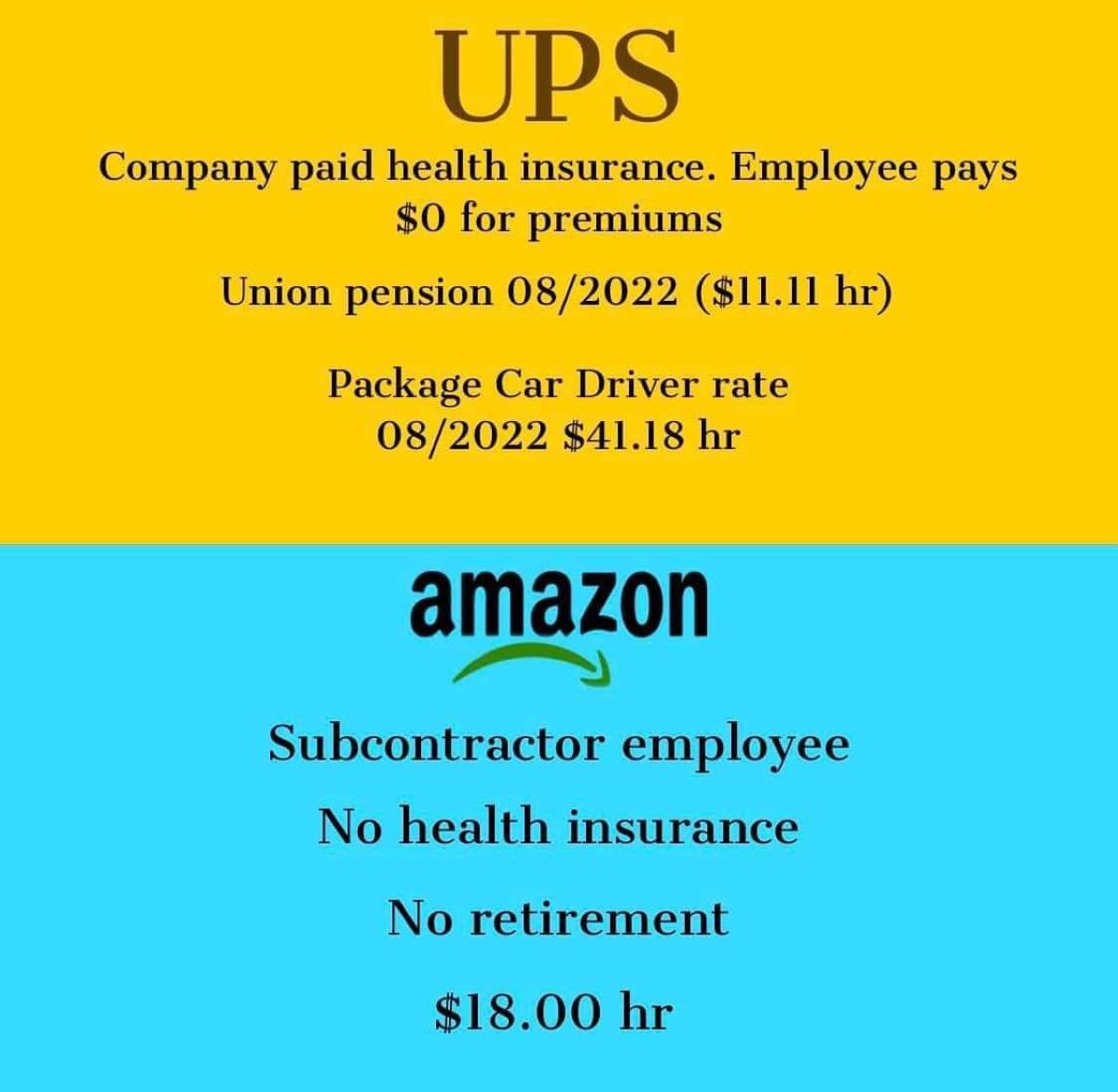
When you are weighing a job offer or choosing a plan during open enrollment, the actual value often comes down to how much of the cost the company absorbs versus what lands on your paycheck. A question like how good is UPS health insurance cannot be answered from the available sources, and both of those variables can shift your out-of-pocket exposure significantly. In public-sector roles, the math changes again, and do teachers pay for health insurance is answered not by a single statewide rate but by the specific district contract.
Beyond the sticker price, the structure of a plan can quietly reshape your costs if you are not watching for a few specific triggers. A spousal surcharge, for instance, is typically added when your partner has access to their own workplace plan but elects to stay on yours instead, a flat-fee penalty designed to shift that risk back to the other organization. Equally important is knowing where to direct a formal appeal, since the plan administrator holds the discretionary authority to interpret your benefits and rule on denied claims, a title not held by the same entity across all policies. The same careful reading applies across a range of large organizations, as the monthly contribution, network quality, and deductible structure can differ sharply even between two national chains. The right choice comes down to matching the benefit design to how your household actually uses care.
When someone asks is chick-fil-a health insurance structured for a part-time worker, the answer cannot be confirmed from the available sources. That cutoff is common across the industry, though the value of the offering depends on the specific plan tier. A separate frequent query, is starbucks health insurance competitive for a barista, cannot be answered from the available sources. This distinction in hour requirements alone can make one option far more accessible than another for a student or a second-job holder.
The mechanics of how a plan pays out often create more confusion than the monthly bill, especially when you encounter the layered design of a high-deductible arrangement paired with a savings account. In that setup, your financial exposure runs from a floor set by the federal government’s annual deductible band up to an out-of-pocket maximum that is also capped by regulation. For the current year, the IRS defines a high-deductible health plan with a minimum annual deductible that adjusts each year, and the corresponding ceiling on total annual spending is also capped by regulation, so you should pull the latest numbers directly from the IRS website. Below that top limit, you might face a copay for a specialist visit or a hospitalization charge per admission before the full protective cap kicks in, as defined by your carrier. The official Summary of Benefits and Coverage document for your specific policy is the only place to confirm the exact amounts.
The vocabulary of a benefits booklet can feel like a foreign language until you map a few key terms onto your own household. A question such as is a subscriber to health insurance cannot be answered with a universal definition from the available sources, yet that individual’s relationship to the carrier governs everything from dependent eligibility to who can make changes during the annual window. Another common point of friction is captured by the question is there a spousal surcharge for health insurance, which you answer by checking whether your partner’s own job offers a qualified group plan. If it does and they stay on your contract, a surcharge gets added to your payroll deduction, and the exact figure is set by your company’s benefits office and should be verified in your enrollment portal.
Understanding who actually runs the show behind the scenes prevents you from wasting an appeal on the wrong party. The question is the plan administrator for health insurance does not have a universal answer that applies to all policies, and the distinction matters when a claim is denied and you need to know who has the legal obligation to review your file. Meanwhile, the broader question is it ok not to have health insurance has shifted with changes to the federal individual mandate penalty, which was reduced to zero at the national level, though several states now impose their own financial charge for going without a policy. California’s penalty, for example, varies depending on income and household size, and you can find the current state-specific numbers through your local tax board’s official site.
The total cost of a plan is never just the premium deducted from your check. You must also account for the deductible, the coinsurance slice, and the copay structure. A plan with a low monthly bill might carry a higher per-admission hospital charge, while a different policy with a higher monthly contribution might cap that same event at a flat copay. The trade-off is a personal calculation based on whether you expect a year of routine preventive visits or a year with a possible surgery. The network tier system adds another layer, because seeing an out-of-network provider can push your share of a bill to a higher percentage of the allowed amount, which applies after a separate, higher deductible for an individual. The plan administrator, the official plan document, and your state’s insurance department all serve as resources when a billing dispute arises over those calculations.
Unusual situations: celebrities, the wealthy, and international plans
When your income or public profile removes you from the standard employer-group pool, the mechanics of protection shift away from group underwriting toward individually tailored contracts. The curiosity behind what health insurance do the rich have is not answered by a special wealth-based category, and the question of how celebrities get health insurance is not addressed by celebrity-specific coverage rules. For anyone accustomed to managing benefits through an app, the tools remain the same once the policy is in force: MetLife members can manage medical claims on iPhones and Android devices, while MedMutual’s app requires iOS 11 or Android 8.0 and above for secure access.
Shifting your gaze overseas raises a different practical concern. If you are relocating you will quickly ask is health insurance in the philippines monthly in structure, to which the answer is yes. Since these policies are individually underwritten and not governed by a single organization’s summary plan description, the distinction between aggregate and embedded deductibles becomes even more critical when you are the sole party responsible for catching the difference. To avoid a costly misstep, you might also wonder is health insurance in the philippines monthly in terms of billing flexibility, which is exactly what the linked breakdown clarifies for expats weighing local versus international plans. And just as the wealthy do not rely on a secret tier of coverage, your own due diligence on premium frequency and deductible mechanics will determine whether you face a surprise gap or a smooth claims experience.
- is health insurance in the philippines monthly - How Much Is Health Insurance In The Philippines Monthly
- is health insurance in the philippines monthly - How Much Is Health Insurance In The Philippines Monthly
- what health insurance do the rich have - What Health Insurance Do The Rich Have?
- celebrities get health insurance - How Do Celebrities Get Health Insurance?
Practical scenarios: interviews, statements, and probationary periods
Once you are enrolled, a habit that prevents a lot of billing chaos is to keep health insurance statements and explanation-of-benefits notices so you can match them against the final paid-claims report from your carrier, especially if you are tracking progress toward a deductible that resets annually. A related timing rule that catches people off guard is when does a probationary period provision become effective in a health insurance contract: under the framework tied to group protection, the clock starts on the date a person is initially insured, and the carrier cannot stretch that gap beyond 90 days before full benefits must begin. Since the exact effective date can shift by workplace policy or state rule, confirming that single detail with HR before you schedule any non-emergency care keeps you from accidentally footing the full bill during what you assumed was active protection.
- does a probationary period provision become effective in a health insurance contract - When Does A Probationary Period Provision Become Effective In A Health Insurance Contract?
- ask about health insurance in an interview - How To Ask About Health Insurance In An Interview
- to keep health insurance statements - How Long To Keep Health Insurance Statements