Taxes
IRS Notices & Codes
Table of Contents
- First, figure out what IRS notices you're looking at
- Decode your transcript and its mysterious codes
- Make sense of key dates and dollar amounts
- Know what triggers IRS contact and why
- Handle checks and payments correctly
- Track refunds and unexpected deposits
- Write letters that get results
- Resolve specific problems and financial hardship
- Look up rules, definitions, and official guidance
- Value donations and claim specialized credits
- Get employer id and nonprofit verification letters
- Find your agi and cite IRS sources
- Deal with balance due and collection notices
- Contact the IRS without getting disconnected
- Locate IRS offices and facilities
First, figure out what IRS notices you're looking at
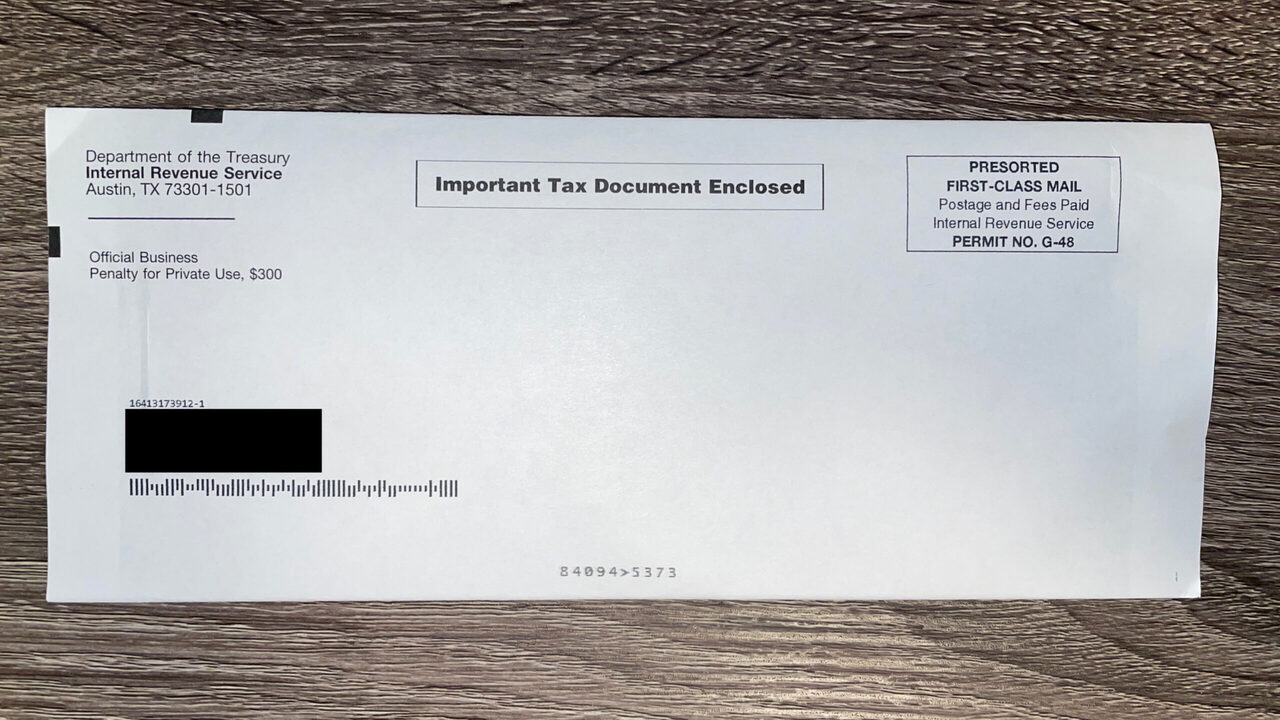
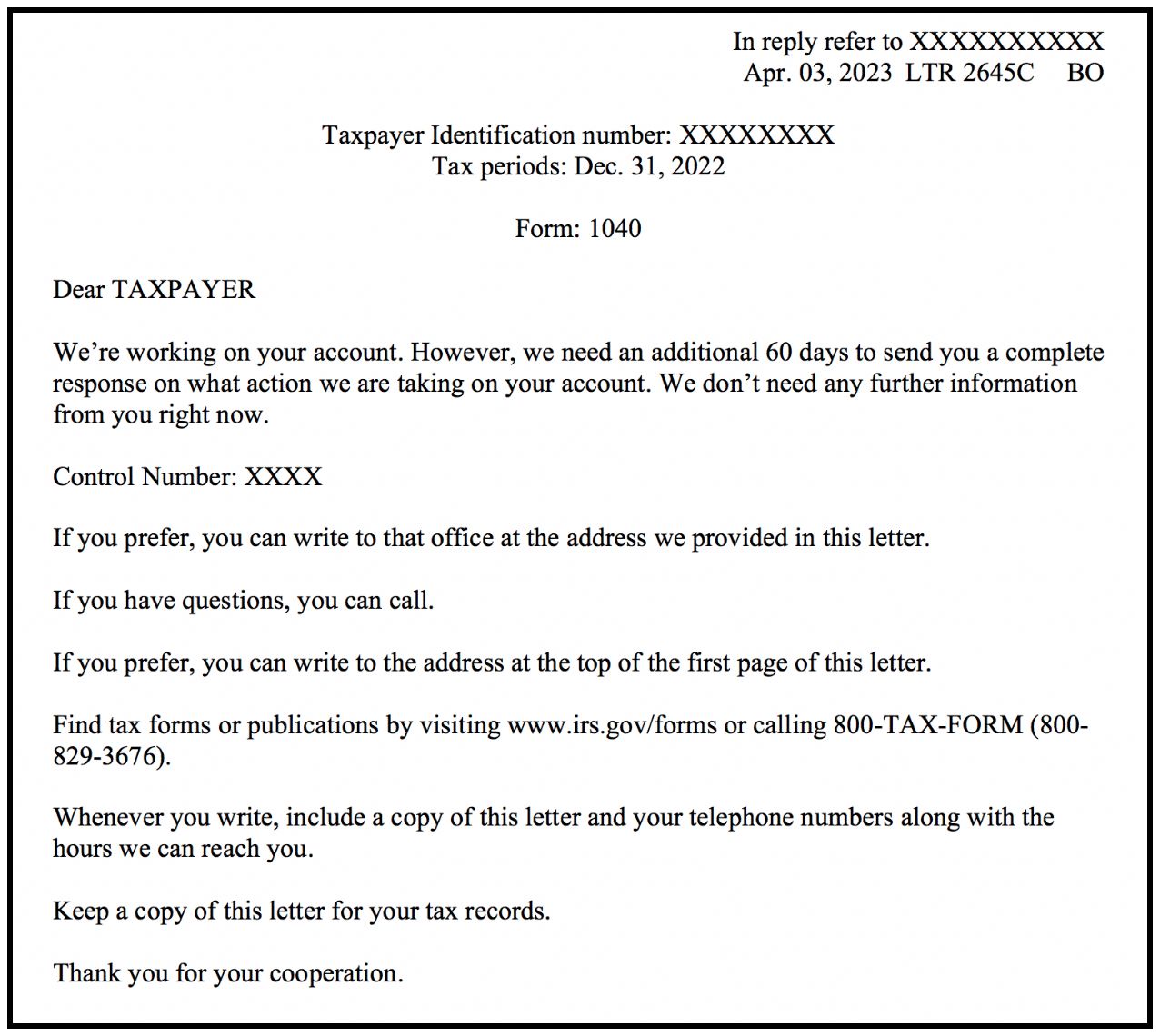
Before reacting to any IRS notices, pause and check whether you are holding a bill, a routine notice, or a legally significant document. The agency normally makes first contact through regular mail delivered by the U.S. Postal Service. You can quickly identify your notice by looking for the CP or LTR number printed in the upper right corner. A common question people ask is what does the IRS letter look like, and the IRS states that you should look for the CP or LTR number in the right corner and verify it through IRS notices and letters. If you received something that required a signature, you might wonder why does the IRS send certified mail. The most serious reason is that the tax code requires it for a Statutory Notice of Deficiency. This protects your right to petition the Tax Court when an agreement on a proposed tax change cannot be reached. Many filers also want to know what IRS letters come from Ogden, Utah, 2022, and the Ogden campus address is 1973 Rulon White Blvd., Ogden, UT 84201. You may also encounter the marking IRS permit no. That is simply a postal permit imprint the agency uses to pay for bulk mailings rather than an indication of the letter's contents or urgency.
Decode your transcript and its mysterious codes
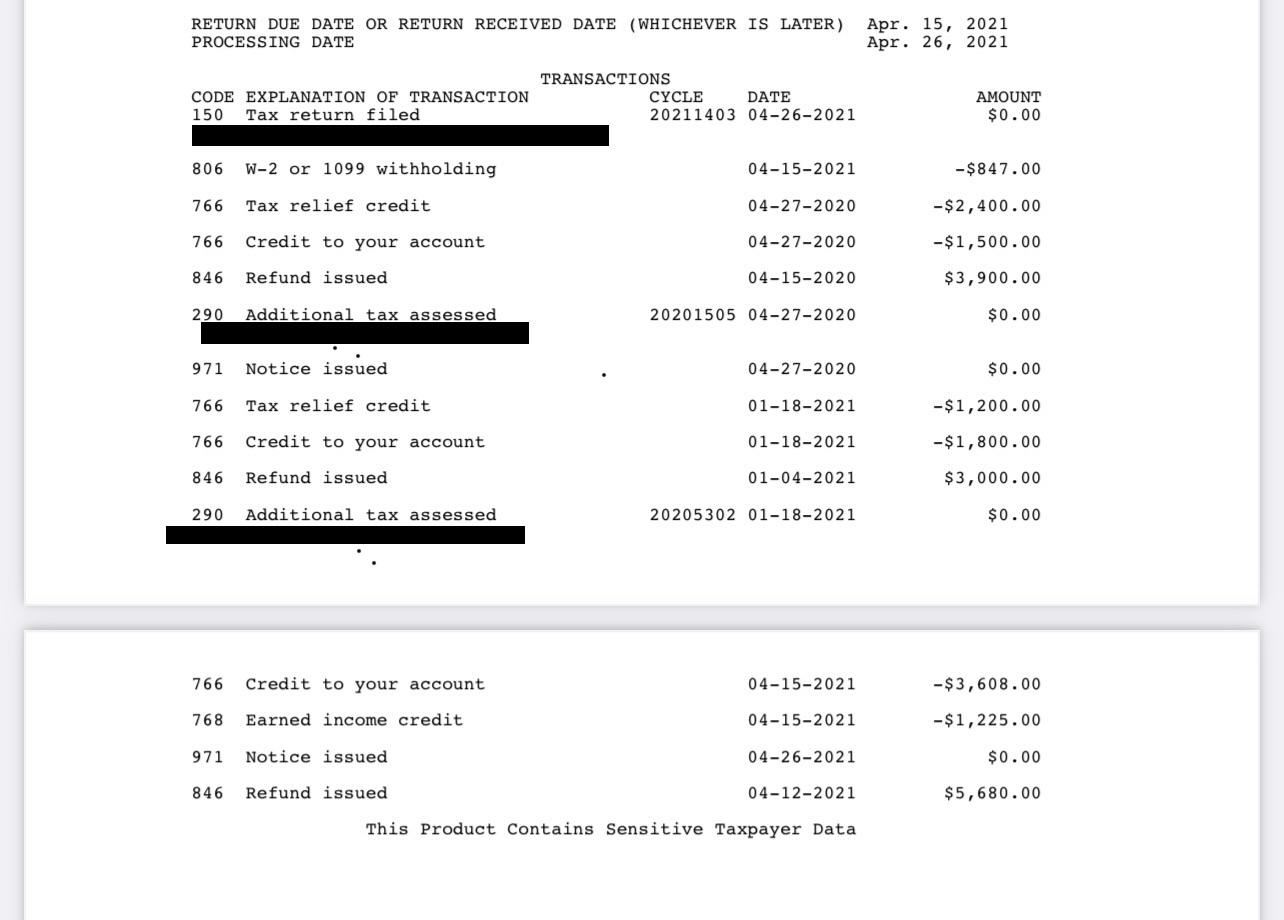
Your tax record can feel like a puzzle written in a foreign language, but most codes simply track the normal movement of money within your file. A perfect example is the movement marked by code 826 on an IRS transcript. This entry is a debit for the amount of overpayment credit transferred to another tax module within this taxpayer’s record. Rather than signaling a problem, it just means the IRS applied part of your refund to a different tax year or obligation. The system keeps your overall balance in order without requiring any action from you. Other entries follow the same pattern of routine bookkeeping. The real skill is learning to tell a neutral acknowledgment apart from a demand. Before you spend time trying to memorize every possible combination, it often helps to focus on the handful of codes that generate the most questions from filers, such as understanding what code 150 mean on an IRS transcript to see if your return has been posted and accepted. You may also need to know what code 571 on an IRS transcript indicates when an extension to examine your return has been granted, or what code 806 on an IRS transcript represents for withholding credits applied to your account. The list that follows groups together commonly searched record markers, including what is code 971 on an IRS transcript. You can jump to the particular entry that matches the one on your own file. That way you can see whether it is a simple confirmation or something that needs a closer look.
- code 826 on an IRS transcript - What Is Code 826 On An IRS Transcript
- code 571 on an IRS transcript - What Is Code 571 On An IRS Transcript?
- code 150 mean on an IRS transcript - What Does Code 150 Mean On An IRS Transcript?
- code 806 on an IRS transcript - What Is Code 806 On An IRS Transcript
Make sense of key dates and dollar amounts
When you first sit down to read an IRS transcript, the columns of numbers and abbreviations can feel overwhelming, but most of them simply track the routine movement of your file. One of the most common points of confusion is what the cycle code mean on an IRS transcript, while a related figure that causes unnecessary alarm is what the as of date mean on an IRS transcript. Similarly, knowing what the processing date mean on an IRS transcript helps you see when a transaction officially posted to your record, which often lags behind the date you actually filed. If you are trying to verify last year’s income when e-filing, you may need to know where to find agi on an IRS transcript; the simplest route is to check line 11 of your prior-year Form 1040 or select the correct tax year under the Records and Status tab in your online portal. Taking a moment to learn how to read an IRS transcript turns a dense document into a straightforward log of your tax history, allowing you to confirm that a notice is just a confirmation rather than a demand.
Know what triggers IRS contact and why
Most IRS contact is triggered by a routine check, not because you made a mistake. The agency compares your return against data from employers, banks, and the Social Security Administration throughout the year, and your file is flagged for review when the numbers do not match.
A common example many filers encounter is the identity verification notice, which leads people to ask does Discover ask for IRS verification when a credit card application prompts them to confirm their tax return details. That process is separate from the internal matching routines, which can involve life changes you might not think to report. Your filing status is one of the data points the agency cross-references, and many people are surprised to learn the IRS know if you are married or divorced through that cross-referenced data.
Financial institutions also report large transactions to the agency, which is how the IRS know when you inherit money, even if no tax is due on the distribution itself. When you e-file and see that status update, it is helpful to understand what it mean when the IRS accepts your return. It has passed a basic format check and a Social Security number validation, but no one has yet verified your income, credits, or final refund amount.
Handle checks and payments correctly
When you need to send a payment, you will write a check to the IRS by making it payable to the U.S. Treasury. The agency asks that you include your name and address, daytime phone number, the tax year, the related tax form or notice number, and the SSN, EIN, or ITIN for the person who should get credit so the funds are credited correctly. If you and your spouse were assessed separate amounts after filing jointly, writing MFT 31 separate assessment on the memo line keeps the allocation clear.
A common question is how long does it take for IRS to cash check, and while the timing varies, mailed payments can take up to three weeks to appear in your online record even after they are deposited. Should an issue arise, what happens if you bounce a check to the IRS depends on the circumstances, but the payment is treated as dishonored and returned, which can trigger additional collection activity.
On the refund side, if you are holding a paper Treasury check, you may wonder where can you cash an IRS check, but your best starting point is to verify the check’s status first. Initiate a refund trace by calling the automated system, or if you file jointly, speak with a representative or file Form 3911. Many recipients also ask where does the IRS mail checks from, though the physical return address is not a published detail and the trace process is the designed path for confirming a check was issued and determining whether it has already been cashed.
Track refunds and unexpected deposits
When a deposit labeled IRS treas 310 tax ref appears in your bank account, the code itself tells you the payment came from the Treasury as a refund, and you will want to read the linked article to understand exactly what this code means for your tax return. If the ACH line shows “449” instead of “310,” that signals your refund was reduced to cover a delinquent debt before the remainder reached you. If your refund is unexpectedly small or missing, you may need to find out how long does it take for the IRS to release funds for child support once an offset is applied, noting the receiving agency can hold the payment for up to six months before disbursing it; the linked article provides the precise timeline you need. The Treasury Offset Program can confirm whether this occurred.
- does it take for the IRS to release funds for child support - How Long Does It Take For The IRS To Release Funds For Child Support?
- hasnt the IRS withdraw my payment - Why Hasnt The IRS Withdraw My Payment
- IRS treas 310 tax ref - What Is IRS Treas 310 Tax Ref?
- usataxpymt IRS - What Is Usataxpymt IRS?
Write letters that get results
Before you draft anything, open the notice you received and find the letter or notice number, the tax year, and the particular penalty or issue it describes, because every effective response starts with those details. When you need to address the IRS in a letter, use the address printed on your notice rather than a generic mailing address, and always sign the letter before sending it along with copies, never originals, of your supporting documents; this is essential because you will want to read the corresponding article on how to address the IRS in a letter to ensure your correspondence reaches the right office. Looking at a write a letter to the IRS sample can help you see how a straightforward, factual tone reads, though your own letter must reference the particular notice number and tax period shown on your document; the article on how to write a letter to the IRS sample provides a template you can adapt. If the notice gives a dispute deadline, a mailing address, and precise instructions, follow them exactly. For penalty relief that does not get approved over the phone, you can also request abatement in writing using Form 843.
Resolve specific problems and financial hardship
When the IRS determines you owe tax, it sends a notice of deficiency, which is the formal document that gives you the right to challenge the assessment in Tax Court before you have to pay. You would want to read about a notice of deficiency from the IRS to understand exactly how to protect your right to contest the tax before any collection action begins. If a levy on your wages or bank funds is already causing immediate harm, you can file a hardship with the IRS by calling the number on your levy notice. Explain that the collection prevents you from meeting basic living expenses. For longer-term relief, a guide to the IRS fresh start program outlines pathways such as installment agreements and offers in compromise. Qualifying depends on your particular financial details and the type of relief you request. There is no legitimate way to hide money from the IRS; the agency instead describes lawful relief and collection options such as hardship release, installment agreements, and offers in compromise. Attempting to conceal them leads to far worse consequences than the debt itself. A safer question is what money can the IRS not touch; by law, certain property is exempt from levy.
Look up rules, definitions, and official guidance
When a notice references a dependent you claimed, the IRS uses a strict four-part test drawn from the qualifying relative definition and IRS guidelines. The person cannot be your qualifying child, must meet a member-of-household or relationship test, and must pass separate gross income and support tests. If your spouse died and you still have a child at home, you may be able to file as a qualifying widower for IRS purposes, a status the agency now labels qualifying surviving spouse, for the two years following the year of death. That filing status preserves the married-filing-jointly tax rates and standard deduction during that window. Before reacting to a record entry, remember that many codes simply log routine steps rather than demands for settlement. The IRS publishes its core definitions and filing rules in a set of numbered booklets. For example, you would want the IRS publication 524 (credit for the elderly or the disabled) definition to understand if a notice involves a special tax break for older taxpayers or those with disabilities. You would want the IRS publication 501 definition to clarify which filing status or dependent rules apply to your situation. You would want the IRS publication 939 definition when a notice references pension or annuity income and how it is taxed. And you would want the IRS publication 17 definition for a comprehensive overview of individual income tax rules that might explain a code on your notice. Choosing the right one is just a matter of matching the publication’s title to the particular benefit or filing rule your notice cites.
- IRS publication 501 definition - IRS Publication 501 Definition
- IRS publication 17 definition - IRS Publication 17 Definition
- IRS publication 524 (credit for the elderly or the disabled) definition - IRS Publication 524 (Credit For The Elderly Or The Disabled) Definition
- IRS publication 939 definition - IRS Publication 939 Definition
Value donations and claim specialized credits
When you donate property instead of cash, you generally determine the donation’s value by its fair market value on the date of contribution, which is the price a willing buyer and seller would agree on with neither under pressure to act. IRS publication 561 details what information you need to support the charitable contribution deduction you claim on your return, from valuing used clothing to real estate. Separately, if you are claiming credits tied to an injury or illness, you may need to understand how is workers' compensation reported to the IRS, as those payments are typically not taxable and do not appear on your W-2 yet can interact with other income thresholds on your return. Before you assume a notice means you made a mistake on either of these items, pause and check the document code. A record entry like Code 971 is simply a marker that the agency issued a notice, not necessarily a bill or an audit finding. Matching the notice number to the particular deduction or credit in question will tell you whether you need to respond or just file the confirmation away.
Get employer id and nonprofit verification letters
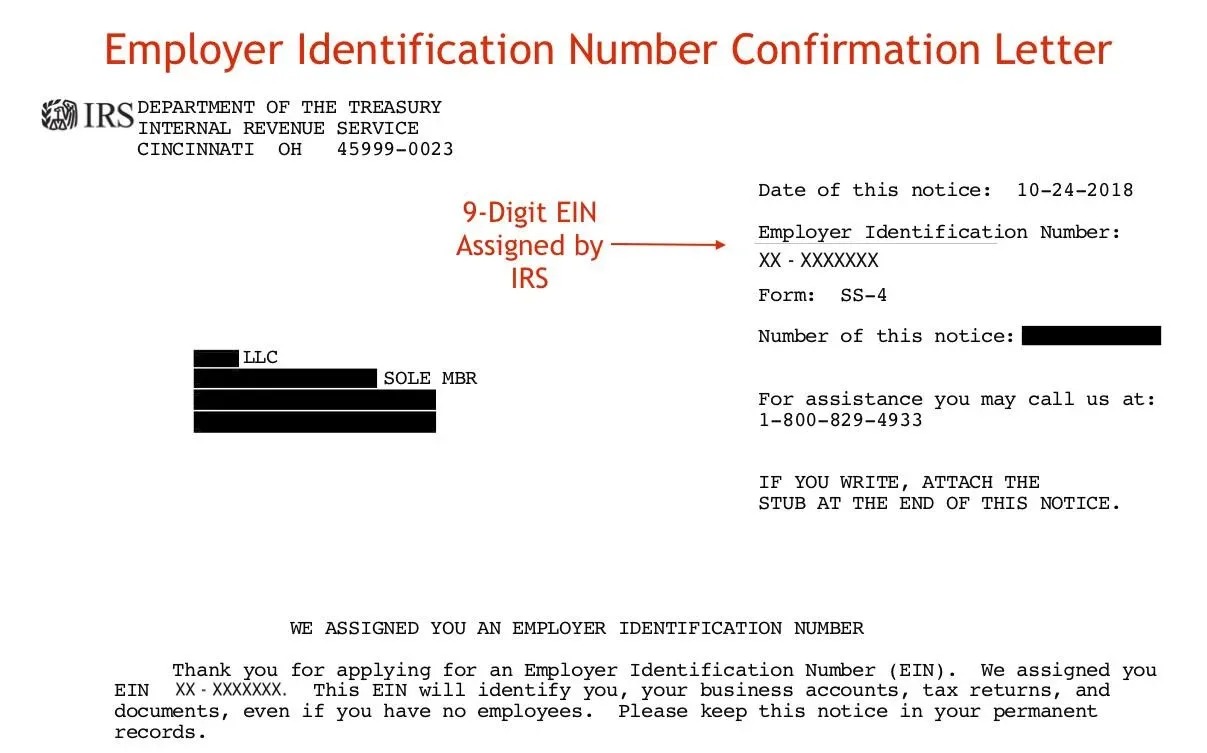
When your business or nonprofit needs official proof of its tax ID, the document you are looking for is an IRS confirmation letter. You can get one via the IRS Business Tax Account. There you can access a digital CP 575 notice that serves the same purpose as the older paper versions. If you have already been assigned a number but lost the original paperwork, the digital CP 575 can be used as a substitute for an IRS 147c letter. The IRS now treats the digital CP 575 as a direct substitute for that request. For a new entity, IRS notice letter cp 575 is the digital confirmation that instantly verifies your Employer Identification Number. You can provide it to a bank or vendor right away without waiting for mail. Organizations seeking tax-exempt status often ask does it cost to file a 501(c)3 with the IRS. Before you assume a missing verification notice means your status was denied, check your record for a simple acknowledgment marker rather than a penalty indicator. If you need to know exactly when and how I get an IRS confirmation letter.
Find your agi and cite IRS sources
When you need to pull a prior-year figure to verify your identity, the quickest official route is to sign into your IRS Online Account, open the Records and Status tab, and select the tax year you need. Your adjusted gross income appears on Form 1040, line 11. If you cannot log in, you can request a free tax return transcript or use Get Transcript by Mail. Knowing where I find my agi IRS helps you move past an e-filing rejection without guessing. When you later need to support a position with the agency, you can cite IRS publications by referring to the publication title and number directly in your correspondence. If you are preparing your own documents and want them to look consistent, the Internal Revenue Manual identifies the Helvetica and Times Roman families as what font does the IRS use, so sticking with those avoids a visual mismatch. In a business or review context, you may encounter the term ipe in auditing, though its particular handling is not spelled out in the official guidance you would normally consult for a notice response.
Deal with balance due and collection notices
When the IRS believes you have an unpaid balance, the first notice you typically receive is an IRS cp14, which lists the amount due and a deadline for remittance; you will want to read the article about what is IRS cp14 to understand exactly how this notice initiates the collection process and what your options are. Before you act, check whether you already paid that tax year in full and on time, because the agency has acknowledged that some notices were sent in error to taxpayers who had already settled their balance. In that situation you should not respond immediately while the processing discrepancy is resolved, but if you do owe, pay by the date on the notice to stop further interest from accruing. Sometimes an unexpected tax bill traces back to income the IRS can see but you did not list, and if you earned money outside of a regular wage job, you may need to report cash income to the IRS using Form 8300 when your trade or business receives a large amount of cash from a single transaction or from related transactions within a twelve-month period. If your return includes the Earned Income Tax Credit or the Additional Child Tax Credit, the path IRS provision requires the agency to hold your entire refund until at least mid-February, and you will want to read the article about what is path IRS to learn why this delay applies to your refund and how it protects against fraud.
Contact the IRS without getting disconnected
If you have ever tried to reach an agent and asked yourself why does the IRS keep hanging up on me, the answer is usually not a technical fault but a combination of limited operating hours and extreme call volume that automatically disconnects callers when the queue is full. The main individual and business help lines operate Monday through Friday, 7 a.m. to 7 p.m. local time, and calling even a few minutes outside that window will trigger a disconnect. To avoid that cycle, knowing what time is best to call the IRS means dialing right when the lines open in your time zone, though tax professionals calling the e-help desk can reach an agent starting at 6:30 a.m. Central time, often the quietest stretch before the general public queues build. When you are troubleshooting a rejected return late in the year, you may also need to consider does the IRS shut down e-filing in 2022 before assuming your submission failed for another reason, since the system remains available 24 hours a day except during a weekly maintenance window on Sunday from 12 a.m. to 4 p.m. Eastern time. If you are waiting on a credential or clearance, a common point of confusion is how long does the IRS background check take, but no published timeline exists for that process, so treat any delay as normal rather than a sign of a problem until you receive official correspondence.
- does the IRS shut down e-filing in 2022 - When Does The IRS Shut Down E-Filing In 2022?
- does the IRS keep hanging up on me - Why Does The IRS Keep Hanging Up On Me?
- does the IRS background check take - How Long Does The IRS Background Check Take?
- what time is best to call the IRS - What Time Is Best To Call The IRS?
Locate IRS offices and facilities
The central hub for the agency’s national operations is the IRS headquarters at 1111 Constitution Avenue NW in Washington, DC, and the same building is the main IRS office located for official administrative functions. If you ever need to send physical correspondence to that metro area, the agency instructs you to address mail to that Constitution Avenue address, including the recipient's name, organizational symbol, building symbol, and room or workstation number. Finding a local walk-in Taxpayer Assistance Center is a separate process from mailing something to the DC campus, and you should not use that headquarters address for general case inquiries unless you have been directed to a particular office there.
When a piece of correspondence arrives unexpectedly, the immediate question is often why did the IRS send me a check rather than a bill. The fastest way to start untangling that is by checking your refund status via the IRS2Go app using your Social Security number, filing status, and the exact refund amount from your return. A mailed remittance can follow a corrected return, a penalty abatement, or an adjustment the agency made on its own, and seeing that remittance land without a clear explanation can be as unsettling as a balance-due notice, so you will want to confirm the reason on your tax record.
When a credit card application prompts a person to confirm their identity, a common question arises about whether the card issuer requires IRS verification, often stemming from receiving a 5071C letter. The two processes are separate: a card issuer performs its own review to meet banking regulations, while the IRS notice asks the taxpayer to authenticate themselves directly with the tax agency before a return can finish processing.
Navigating the notice often means using the online verification tool, which requires a photo ID and a live video call in some cases, though you can also complete the process by phone. The letter itself contains a unique code, and you must have that code, your prior year's return, and your current year's return ready. Without those items, the system will not let you proceed. The goal is to confirm that you, and not a fraudster, filed the return in question. Once you pass this check, the agency releases the refund for processing, and the timeline for that release can range from a few days to several weeks.
Reviewing your wage and income records can clarify why a verification hold was placed. You can pull these records from the agency's online portal, and the document shows reported income from employers and banks. If a number on your return does not match what a third party reported, the system may flag the file, and this mismatch is a frequent trigger for the 5071C letter. Comparing your filed return against the official wage document helps you spot the discrepancy, which you can then address during the verification call to prevent a lengthy delay in receiving your funds.
Setting up a structured installment plan is an option if you owe a balance after the verification clears. The agency offers short-term arrangements giving you up to 180 days to pay in full and long-term plans letting you make monthly remittances over several years. You can submit your request online, and direct debit is the preferred method for monthly installments because it reduces the chance of a missed remittance and keeps the agreement in good standing.
Accessing your online profile is the most efficient way to monitor your compliance status. The profile shows your balance, any penalties, and your payment history, and you can also view digital copies of notices sent to you, eliminating the need to keep paper files. If a notice gets lost in the mail, the digital copy remains available. You should check this profile regularly during an active case, as the agency updates the information every 24 hours, ensuring you never miss a deadline or a new request for information.
Requesting a detailed record of your past filings can help you prepare for a future application, as mortgage lenders often ask for this documentation. You can obtain it by submitting Form 4506-T, which allows you to request a return record showing line-by-line data from your filed form or an account history showing adjustments, penalties, and remittance postings. You must specify which years you need, and having this documentation ready streamlines any loan approval process.
- is the main IRS office located - Where Is The Main IRS Office Located?
- did the IRS send me a check - Why Did The IRS Send Me A Check?
- is the IRS headquarters - Where Is The IRS Headquarters?